Table of Contents
How AI is transforming app development in 2026
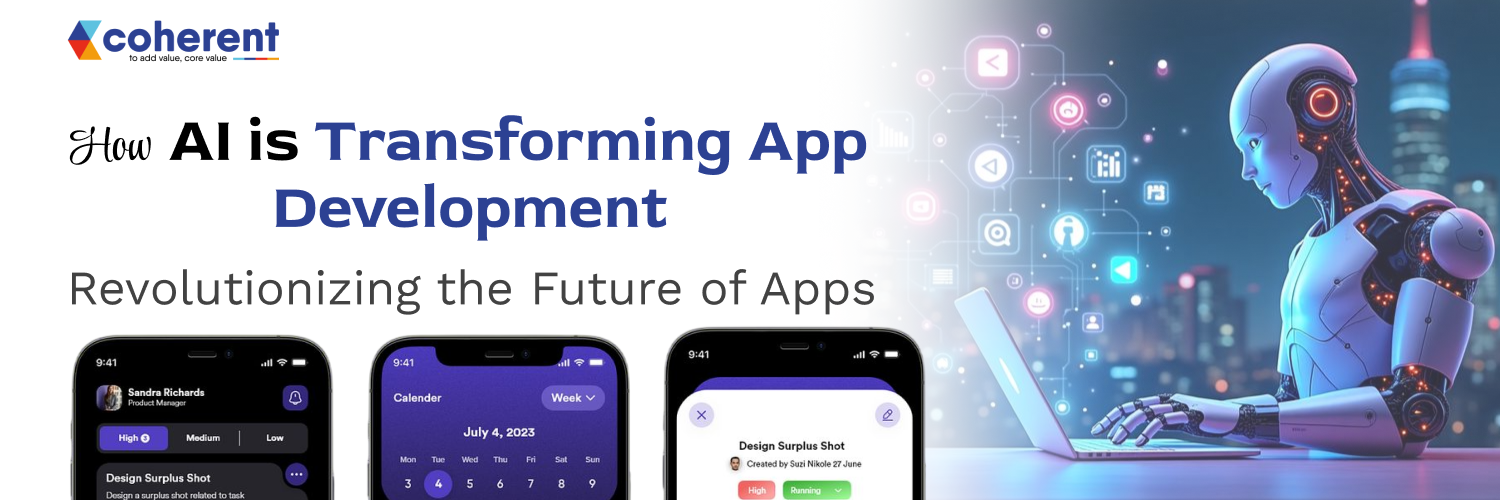
In today’s fast-moving digital world, Artificial Intelligence (AI) is no longer just a buzzword; it’s the driving force behind smarter, faster, and more intuitive mobile and web applications. From personalized recommendations to real-time automation, AI is reshaping how apps are built, designed, and experienced. Businesses are no longer asking if they should use AI in app development, but how soon they can adopt it.
AI-powered app development is transforming traditional coding processes into intelligent systems that learn, adapt, and improve over time. Developers now use machine learning, chatbots, predictive analytics, and automation tools to create apps that understand user behavior and deliver tailored experiences. This not only enhances user engagement but also reduces development time and operational costs.
The Evolution of App Development with AI
The evolution of app development with AI has transformed the way modern applications are built and experienced. Earlier, apps followed fixed rules and manual coding processes. Today, AI enables smart automation, predictive analytics, and personalized user journeys. From intelligent chatbots to real-time data insights, AI-powered development is making apps faster, smarter, and more user-centric than ever before.
From Manual Coding to AI-Assisted Development
AI-assisted coding tools help developers generate code snippets, detect errors instantly, and optimize performance. Low-code and no-code platforms powered by AI enable faster development, allowing businesses to build scalable mobile apps without extensive manual programming or long development cycles.
-
Traditional manual coding required long hours and repetitive tasks, while AI-assisted development now automates complex processes and saves valuable time.
-
Developers can use AI tools to detect bugs, suggest code improvements, and enhance efficiency with greater accuracy.
-
AI-powered frameworks help create smarter features like chatbots and recommendation engines with less effort.
-
The shift allows developers to focus more on creativity, innovation, and user experience rather than routine coding work.
The Rise of Generative AI in Software Development
Generative AI is transforming UI/UX design and prototyping. It can create layouts, suggest design improvements, and even generate functional code. This speeds up innovation, enhances creativity, and helps businesses launch AI-powered mobile applications faster with better user experiences.
-
Generative AI accelerates mobile app development by automatically generating clean, optimized code and reducing development time.
-
AI-powered tools improve app design and UI/UX development by creating smart layouts and personalized user experiences.
-
In custom mobile app development, generative AI helps build features like chatbots, recommendation engines, and voice assistants faster.
-
AI-driven testing enhances mobile app performance optimization, detecting bugs early and ensuring a smooth user experience.
Key Ways AI is Transforming Mobile and Web Applications
AI is redefining how applications function, making them smarter, more responsive, and user-focused. From personalization engines to predictive analytics, AI-powered features enhance customer satisfaction, streamline operations, and improve business intelligence, creating next-generation mobile and web app experiences.
Personalized User Experiences
AI analyzes user behavior, preferences, and past interactions to deliver tailored recommendations. This hyper-personalization improves user engagement, increases retention rates, and drives higher conversions in mobile apps across e-commerce, entertainment, and service-based industries.
-
AI analyzes user behavior and preferences to deliver personalized content, recommendations, and app experiences in real time.
-
Smart algorithms adapt app interfaces based on individual usage patterns, improving engagement and user satisfaction.
-
Personalized notifications and targeted features help businesses build stronger customer relationships and boost retention rates.
Intelligent Chatbots & Virtual Assistants
AI-powered chatbots and virtual assistants provide instant customer support using natural language processing. They improve user interaction, reduce operational costs, and ensure 24/7 assistance within mobile and web applications.
-
AI analyzes user behavior and preferences to deliver personalized content, recommendations, and app experiences in real time.
-
Smart algorithms adapt app interfaces based on individual usage patterns, improving engagement and user satisfaction.
-
Personalized notifications and targeted features help businesses build stronger customer relationships and boost retention rates.
Automated Testing & Quality Assurance
AI-driven testing tools detect bugs, predict potential failures, and automate repetitive quality checks. This ensures faster release cycles, better performance optimization, and improved reliability of AI-powered mobile applications.
-
AI-powered automated testing tools quickly identify bugs, errors, and performance issues, reducing manual testing time.
-
Continuous testing ensures better app stability, faster releases, and improved overall software quality.
-
Smart quality assurance systems use predictive analytics to detect potential failures before they impact users.
-
Automation improves accuracy, enhances security checks, and delivers a smoother, more reliable user experience.
Enhanced App Security with AI
AI strengthens cybersecurity through real-time threat detection, fraud prevention, and anomaly monitoring. It safeguards sensitive user data, enhances trust, and ensures secure Flutter mobile app development.
-
AI-powered security systems monitor user activity in real time to detect suspicious behavior and prevent cyber threats.
-
Machine learning algorithms identify unusual patterns, helping stop fraud, malware, and data breaches before damage occurs.
-
AI strengthens mobile app security through biometric authentication, facial recognition, and advanced encryption techniques.
-
Continuous threat analysis and automated response systems ensure safer, more reliable applications for both businesses and users.
Predictive Analytics & Data-Driven Decisions
Machine learning algorithms analyze massive datasets to predict trends, user behavior, and business outcomes. Predictive analytics empowers businesses to make smarter strategic decisions and improve app performance.
-
AI-powered predictive analytics helps businesses forecast user behavior, trends, and future app performance with greater accuracy.
-
Data-driven insights enable smarter decision-making in mobile app development, improving features and user engagement.
-
Real-time data analysis identifies growth opportunities, customer preferences, and potential risks before they impact results.
-
Advanced analytics tools optimize marketing strategies, retention rates, and overall app profitability.
Benefits of AI-Powered App Development
AI app development offers faster time-to-market, reduced operational costs, and improved scalability. It enhances personalization, strengthens security, and automates workflows. Businesses leveraging AI technologies gain competitive advantages, higher user engagement, better retention rates, and long-term growth opportunities in the digital marketplace.
| Benefit | How It Helps Businesses & Users |
|---|---|
| Faster Development Process | AI automates coding, testing, and debugging, reducing development time and helping apps launch faster in competitive markets. |
| Cost Efficiency | Automation minimizes manual effort, lowers operational costs, and optimizes resource utilization. |
| Personalized User Experience | AI analyzes user behavior to deliver tailored content, smart recommendations, and improved engagement. |
| Improved App Performance | Real-time monitoring and predictive analytics enhance speed, stability, and overall app performance. |
| Enhanced Security | AI detects threats, prevents fraud, and strengthens data protection through intelligent monitoring systems. |
| Smarter Decision-Making | Data-driven insights help businesses make informed strategic decisions and improve long-term growth. |
| Continuous Learning & Improvement | AI-powered apps evolve over time by learning from user interactions and adapting to changing needs. |
AI Technologies Powering Modern Apps
Several advanced AI technologies are driving innovation in mobile and web app development. These technologies enable automation, real-time analytics, personalization, and intelligent decision-making, making apps smarter and more adaptive to user behavior and market demands.
Machine Learning (ML)
Machine learning enables apps to learn from user data, identify patterns, and continuously improve performance without manual intervention or constant programming updates.
Natural Language Processing (NLP)
NLP allows apps to understand and process human language, enabling voice search, chatbots, sentiment analysis, and seamless conversational experiences.
Computer Vision
Computer vision empowers apps to interpret visual data, enabling facial recognition, image scanning, augmented reality, and smart automation features.
Generative AI & Large Language Models (LLMs)
Generative AI creates content, designs, and code automatically. Large language models enhance conversational interfaces and intelligent automation capabilities.
Real-World Examples of AI in Popular Apps
AI is already embedded in many popular applications across industries. From recommendation systems in e-commerce apps to AI-driven diagnostics in healthcare and fraud detection in fintech, artificial intelligence enhances functionality, improves efficiency, and transforms customer experiences worldwide.
| App Name | How AI is Used | Real-World Impact |
|---|---|---|
| Netflix | AI-powered recommendation engine analyzes viewing history and preferences. | Delivers personalized content suggestions, increasing user engagement and watch time. |
| Spotify | Machine learning curates playlists like Discover Weekly based on listening behavior. | Enhances music discovery and creates a highly personalized listening experience. |
| Amazon | AI-driven product recommendations and smart search algorithms. | Boosts sales through personalized shopping experiences and predictive suggestions. |
| Google Maps | AI analyzes traffic data and user patterns for route optimization. | Provides real-time traffic updates and faster route suggestions. |
| AI curates feeds, detects spam, and enhances content recommendations. | Improves user engagement and maintains platform security. | |
| Uber | AI optimizes ride matching, pricing, and route predictions. | Reduces wait times and improves ride efficiency for users and drivers. |
The Future of AI in Mobile & Web App Development (2026 and Beyond)
The future of AI in app development includes hyper-personalized experiences, autonomous AI agents, voice-first interfaces, and AI-driven DevOps. As AI technology evolves, businesses will create smarter, self-learning applications that adapt in real time to user needs and market dynamics.
Hyper-Personalization
AI will deliver deeply customized user journeys based on real-time behavioral insights, preferences, and predictive analytics.
-
AI-driven hyper-personalization analyzes real-time user data, preferences, and behavior to deliver highly customized content, recommendations, and app experiences.
-
Advanced machine learning models adapt features, notifications, and user journeys individually, increasing engagement, customer satisfaction, and long-term retention.
Autonomous Apps Powered by AI Agents
AI agents will automate tasks, manage workflows, and independently optimize app performance without human intervention.
-
AI agents enable apps to perform tasks independently, such as scheduling, reminders, or managing smart devices, without constant user input.
-
These autonomous apps learn from user behavior and adapt over time, offering smarter, context-aware assistance for a seamless experience.
Voice-First and Multimodal Applications
Future apps will combine voice, text, and visual inputs to deliver seamless and interactive user experiences.
-
Voice-first and multimodal apps use AI to understand speech, text, and gestures, enabling more natural, intuitive interactions for users.
-
These applications combine multiple input methods to deliver seamless experiences, improving accessibility, engagement, and overall usability.
AI-Driven DevOps & Continuous Deployment
AI-powered DevOps will automate monitoring, testing, and deployment processes, ensuring faster updates and stable performance.
-
AI automates deployment pipelines, monitors system performance, and predicts potential failures, ensuring faster and more reliable app releases.
-
Continuous integration and delivery are enhanced with AI insights, reducing downtime, optimizing resources, and improving overall software quality.
How Businesses Can Leverage AI for App Success
Businesses should partner with experienced AI app development companies, invest in scalable AI technologies, and prioritize data-driven strategies. Leveraging artificial intelligence effectively ensures competitive advantage, improved user satisfaction, and sustainable growth in the rapidly evolving mobile app ecosystem.
| Strategy | How It Benefits Businesses |
|---|---|
| Personalized Experiences | AI analyzes user behavior and preferences to deliver tailored content, boosting engagement and retention. |
| Predictive Analytics | Helps forecast trends, user needs, and app performance for smarter business decisions. |
| Automated Testing & QA | Speeds up testing, detects bugs early, and ensures high-quality, reliable app releases. |
| Enhanced Security | AI monitors threats in real time, preventing fraud and protecting sensitive user data. |
| Hyper-Personalization | Delivers individually customized notifications, recommendations, and features to maximize user satisfaction. |
| AI-Powered DevOps | Streamlines deployment, monitors app performance, and anticipates system issues for seamless operations. |
| Autonomous Features | AI agents automate routine tasks, enhancing app efficiency and improving user convenience. |
Final Thoughts
AI is no longer optional in modern app development; it’s essential. Companies that adopt AI-powered mobile app development today will lead tomorrow’s digital landscape. By embracing machine learning, automation, and predictive analytics, businesses can build smarter, secure, and future-ready applications that redefine user experiences.
Ready to revolutionize your app with AI? Contact us today to build smarter, faster, and future-ready AI-powered apps!
Frequently Asked Questions (FAQs)
Q 1What is AI in app development?
Ans. AI in app development integrates artificial intelligence, machine learning, and automation into mobile and web applications. It enables smarter functionality, personalized experiences, predictive analytics, and faster development cycles.
Q2: How does AI improve mobile app user experience?
Ans. AI enhances apps by:
-
Personalizing content and recommendations
-
Predicting user behavior and preferences
-
Powering intelligent chatbots for instant support
Q3: Can AI reduce app development time?
Ans. Yes. AI tools like code generators, automated testing platforms, and AI-assisted prototyping streamline development, reduce human error, and significantly shorten the time-to-market for mobile and web apps.
Q4: What types of AI technologies are used in apps?
Ans. Common AI technologies include:
-
Machine Learning (ML) – learns patterns from user data
-
Natural Language Processing (NLP) – enables chatbots and voice commands
-
Computer Vision – for image recognition and AR
-
Generative AI – automates content and design creation
Q5: How secure are AI-powered apps?
Ans. AI enhances security through real-time monitoring, fraud detection, and anomaly tracking. Businesses can safeguard user data while proactively preventing potential threats.
Q6: What industries benefit most from AI in apps?
Ans. Healthcare, finance, retail, travel, education, entertainment, logistics, real estate, marketing, and manufacturing.vv
-
E-commerce: personalized shopping experiences
-
Healthcare: AI diagnostics and patient monitoring
-
Fintech: fraud detection and financial recommendations
-
On-demand services: smart delivery and scheduling
Q7: What challenges exist when implementing AI in app development?
Ans. Key challenges include:
-
Data privacy and ethical AI concerns
-
High initial development costs
-
Integration with existing systems
-
Continuous monitoring and maintenance
Q8: How can businesses leverage AI to future-proof their apps?
Ans. Businesses can:
-
Partner with experienced AI app development companies
-
Use predictive analytics for data-driven decisions
-
Implement AI-powered automation and personalization
-
Continuously update apps with the latest AI technologies

 +91 774-202-1725
 +1 (945) 3387904
 business@coherentlab.com
 +49 15223341304
 UK
UK