Table of Contents
Impact of Blockchain and Crypto on the Fantasy Sports Industry
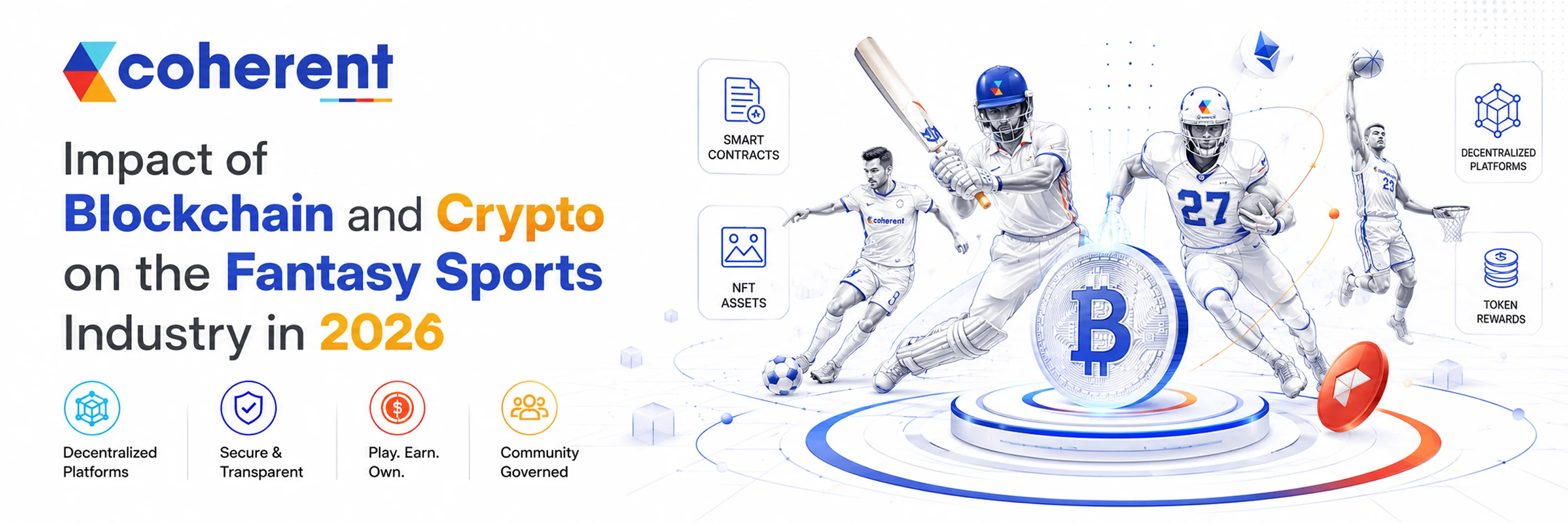
The fantasy sports industry has evolved dramatically over the last decade. What started as a simple game of sports predictions has transformed into a multi-billion-dollar digital ecosystem that attracts millions of users worldwide. Now, another major shift is taking place. Blockchain technology and cryptocurrency are redefining how fantasy sports platforms operate, engage users, and generate revenue. From transparent gameplay and instant payouts to NFT player cards and decentralized ownership, blockchain is introducing a new level of trust and innovation to fantasy sports. As Web3 adoption grows, fantasy sports businesses are exploring how crypto-powered ecosystems can create better user experiences while opening new monetization opportunities. In this guide, we'll explore how blockchain and cryptocurrency are shaping the future of fantasy sports in 2026 and beyond.
What Is Blockchain in Fantasy Sports?
Blockchain in fantasy sports is a decentralized technology that ensures transparency, security, and trust in gameplay. It records all transactions, contest results, and user activities on an immutable ledger, reducing fraud and manipulation. Smart contracts automate payouts and rules, while cryptocurrency payments enhance flexibility. Combined with advanced Mobile App Development, this technology improves user experiences through secure, real-time interactions and seamless transactions. It enhances fairness, boosts user confidence, and transforms fantasy sports into a more secure and innovative digital ecosystem.
In fantasy sports, blockchain can be used to:
- Record contest entries securely
- Verify game results transparently
- Automate prize distributions
- Enable crypto-based transactions
- Support NFT collectibles and digital assets
Why Blockchain Is Gaining Popularity in Fantasy Sports
Blockchain is gaining popularity in fantasy sports because it enhances transparency, security, and fairness in gameplay. It eliminates fraud by recording all transactions on an immutable ledger and ensuring accurate, tamper-proof results. Smart contracts automate rewards and payouts, reducing manual errors. With secure crypto payments and increased user trust, blockchain is transforming fantasy sports into a more reliable ecosystem.
Complete Transparency
Every transaction is recorded on a public ledger, allowing users to verify contest entries, winnings, and payouts.
Enhanced Security
Blockchain uses advanced encryption methods that significantly reduce the risk of fraud and unauthorized access.
Faster Transactions
Traditional payment systems often involve delays and high fees. Cryptocurrency transactions are usually faster and more cost-effective.
Global Accessibility
Users can participate from anywhere in the world without facing banking restrictions or currency conversion challenges.
How Cryptocurrency Is Transforming Fantasy Sports Platforms
Cryptocurrency is transforming fantasy sports platforms by enabling fast, secure, and borderless transactions. It allows users to pay entry fees, receive winnings, and participate in contests with digital assets. Crypto integration reduces payment delays and transaction costs while increasing transparency. Combined with blockchain, it enhances trust, attracts global users, and modernizes fantasy sports into a decentralized gaming ecosystem.
Instant Deposits and Withdrawals
Users can deposit funds and receive winnings quickly without relying on traditional banking systems.
Lower Transaction Costs
Crypto payments eliminate many intermediary fees, making transactions more affordable for both users and platform operators.
Global Prize Pools
Fantasy sports businesses can attract international users by supporting cryptocurrencies like Bitcoin, Ethereum, and stablecoins.
Loyalty Rewards Through Tokens
Many platforms offer their own utility tokens, rewarding active users and increasing platform engagement.
Smart Contracts: The Engine Behind Blockchain Fantasy Sports
Smart contracts power blockchain fantasy sports by automating rules, transactions, and reward distribution without human intervention. They ensure fair gameplay by executing pre-defined conditions transparently and securely. Once set, they cannot be altered, reducing fraud and disputes. This automation improves efficiency, speeds up payouts, and builds user trust, making fantasy sports platforms more reliable, transparent, and decentralized.
For fantasy sports platforms, smart contracts can:
- Create contests automatically
- Lock entry fees securely
- Calculate results based on game outcomes
- Distribute winnings instantly
- Eliminate manual intervention
NFTs Are Creating New Revenue Opportunities
NFTs are creating new revenue opportunities in fantasy sports by enabling the ownership and trading of unique digital assets like player cards, collectibles, and in-game items. These assets can be bought, sold, or used in contests, increasing user engagement. NFTs also allow creators and platforms to earn royalties, opening new monetization streams and enhancing the overall gaming ecosystem.
NFTs allow users to own unique digital assets such as:
- Player cards
- Limited-edition collectibles
- Tournament passes
- Virtual merchandise
Fantasy sports companies can generate revenue through:
- NFT sales
- Marketplace transaction fees
- Royalties from secondary sales
- Exclusive membership programs
Benefits of Blockchain-Based Fantasy Sports Apps
Blockchain-based fantasy sports apps offer enhanced transparency, security, and fairness by recording all transactions on an immutable ledger. They eliminate fraud, ensure accurate payouts through smart contracts, and support fast, low-cost crypto payments. These apps also increase user trust, enable global participation, and provide decentralized control, making fantasy sports more reliable, engaging, and future-ready for players and platforms alike.
Fair and Transparent Gameplay
Users can verify contest results through blockchain records, eliminating concerns about manipulation.
Improved User Trust
Transparency increases user confidence and encourages long-term platform engagement.
Faster Payouts
Automated smart contracts distribute rewards immediately after contest completion.
Better Data Security
Blockchain's decentralized architecture helps protect sensitive user information.
New Monetization Models
NFTs, staking systems, token rewards, and digital collectibles open additional revenue streams.
Challenges of Blockchain and Crypto in Fantasy Sports
Blockchain and crypto in fantasy sports face challenges such as regulatory uncertainty, high volatility of digital currencies, and limited user awareness. Technical complexity and scalability issues can also affect performance and adoption. Additionally, integrating secure wallets and ensuring compliance with regional laws can be difficult. These factors slow down widespread acceptance despite the technology’s strong potential and benefits.
Regulatory Uncertainty
Cryptocurrency regulations vary across countries, making compliance more complex.
Market Volatility
Crypto asset values can fluctuate significantly, impacting user confidence.
User Education
Many fantasy sports users are still unfamiliar with blockchain wallets, tokens, and NFTs.
Technical Complexity
Building secure blockchain infrastructure requires specialized development expertise. However, as blockchain technology matures, many of these challenges are becoming easier to address.
Also Read: Fantasy Sports App UI/UX
Real-World Examples of Blockchain Fantasy Sports Platforms
Real-world blockchain fantasy sports platforms demonstrate how decentralized technology improves fairness, transparency, and user engagement. These platforms use smart contracts for automated payouts, NFT-based player cards, and crypto payments for seamless transactions. They offer global accessibility and secure gameplay experiences. Such examples highlight how blockchain is reshaping fantasy sports into a more innovative, trusted, and user-driven digital ecosystem.
Sorare
Sorare combines fantasy football with NFT player cards, allowing users to build teams and compete globally.
DraftKings Reignmakers
This platform introduced NFT-based fantasy sports experiences, enabling users to own and trade digital player assets.
Mojo Sports
Mojo allows users to invest in athlete performance through tokenized sports assets. These platforms showcase how blockchain can create engaging, innovative sports ecosystems.
Future Trends in Blockchain Fantasy Sports
Future trends in blockchain fantasy sports include wider adoption of smart contracts, NFT-based player ownership, and seamless crypto payments. AI-driven analytics and predictive modeling will enhance user experience and strategy building. Interoperable platforms and metaverse integration will create immersive gaming environments. As regulations evolve, blockchain fantasy sports will become more secure, transparent, and globally accessible for all users.
Web3 Fantasy Sports Platforms
Users will gain greater ownership and control over digital assets.
AI-Powered Fantasy Sports
Artificial intelligence will help users create smarter teams and improve performance predictions.
Metaverse Sports Experiences
Fantasy sports may become part of immersive virtual environments where fans interact in real time.
Cross-Platform Asset Ownership
NFTs and digital assets could move seamlessly across multiple fantasy sports ecosystems.
Decentralized Governance
Communities may vote on platform updates and rules using governance tokens.
How to Build a Blockchain Fantasy Sports App
Building a blockchain fantasy sports app involves defining requirements, selecting the right blockchain platform, and designing smart contracts for automated gameplay and payouts. A professional Fantasy Sports App Development Company can help streamline the development process by integrating secure wallets, NFT features, and real-time data APIs. UI/UX design ensures a smooth user experience, followed by rigorous testing and deployment. Continuous updates, performance optimization, and security enhancements help maintain scalability, reliability, and user trust while ensuring the platform remains competitive in the evolving fantasy sports market.
| Category | Features / Technologies / Factors | Description |
|---|---|---|
| Essential Features | User Registration & Profiles | Enables users to create accounts, manage profiles, and track activity. |
| Crypto Wallet Integration | Allows secure cryptocurrency deposits, withdrawals, and transactions. | |
| Smart Contracts | Automates contest rules, winnings distribution, and payouts. | |
| NFT Marketplace | Supports buying, selling, and trading sports-related digital collectibles. | |
| Live Sports Data Integration | Provides real-time scores, player statistics, and match updates. | |
| Leaderboards | Displays rankings based on user performance and contest results. | |
| Secure Payment Gateways | Ensures safe and reliable fiat and crypto transactions. | |
| Token Reward Systems | Rewards users with platform tokens for participation and achievements. | |
| Technology Stack | Ethereum | Popular blockchain platform for smart contracts and decentralized applications. |
| Polygon | Scalable and cost-effective blockchain network with low transaction fees. | |
| Solana | High-performance blockchain known for fast transaction speeds. | |
| Binance Smart Chain | Blockchain network offering lower fees and EVM compatibility. | |
| React Native | Cross-platform framework for developing mobile applications. | |
| Flutter | Google's UI toolkit for building high- |
Also Read: Fantasy Sports API.
Why Businesses Are Investing in Blockchain Fantasy Sports Development
Businesses are investing in blockchain fantasy sports development due to its high transparency, security, and revenue potential. Blockchain reduces fraud through immutable records and enables automated payouts via smart contracts. It also supports crypto payments, global user reach, and NFT-based engagement. These advantages increase user trust, retention, and monetization opportunities, making it a strong long-term investment for gaming companies.
Key reasons include:
- Growing global fantasy sports market
- Rising adoption of Web3 technologies
- New revenue opportunities through NFTs and tokens
- Improved user trust and retention
- Faster and more transparent transactions
- Increased global accessibility
Conclusion
Blockchain and cryptocurrency are reshaping the fantasy sports industry in ways that were unimaginable just a few years ago. By bringing transparency, security, faster payments, NFT ownership, and decentralized ecosystems, blockchain is helping fantasy sports platforms create more engaging and trustworthy experiences. As Web3 adoption continues to grow, businesses that invest early in blockchain fantasy sports app development will be better positioned to attract modern users and build sustainable competitive advantages. The future of fantasy sports is no longer just about predicting player performance; it's about creating a decentralized, user-owned digital sports ecosystem. Contact us Today.
Frequently Asked Questions(FAQs)
Q1. How does blockchain improve transparency in fantasy sports platforms?
Ans. Blockchain improves transparency by recording every transaction, contest entry, and payout on a secure digital ledger. Because these records cannot be altered, users can verify results and winnings independently. This reduces concerns about fraud or manipulation and helps build trust between players and platform operators. For fantasy sports businesses, blockchain creates a fairer environment that encourages user engagement and long-term loyalty.
Q2. Can users earn cryptocurrency through fantasy sports apps?
Ans. Yes, many blockchain-based fantasy sports platforms allow users to earn cryptocurrency rewards by participating in contests, tournaments, and referral programs. Instead of receiving traditional cash prizes, players may earn tokens or cryptocurrencies that can be traded, stored, or used within the platform. This model increases user engagement and provides additional earning opportunities beyond standard fantasy sports competitions.
Q3. What role do NFTs play in blockchain fantasy sports?
Ans. NFTs, or Non-Fungible Tokens, allow users to own unique digital assets such as player cards, collectibles, and exclusive sports memorabilia. In fantasy sports, NFTs can be used to build teams, unlock premium contests, or trade assets with other users. They create new monetization opportunities for platforms while giving users true ownership of digital sports assets that may increase in value over time.
Q4. Are blockchain fantasy sports apps secure?
Ans. Blockchain fantasy sports apps are generally considered more secure than traditional platforms because they use decentralized networks and advanced cryptographic technology. User transactions are encrypted and stored across multiple nodes, making unauthorized changes extremely difficult. When combined with secure wallet integration and smart contract audits, blockchain technology can significantly reduce risks related to fraud, data breaches, and payment disputes.
Q5. What are the biggest challenges of integrating cryptocurrency into fantasy sports platforms?
Ans. The main challenges include changing cryptocurrency regulations, market volatility, and user adoption barriers. Some users may be unfamiliar with digital wallets, tokens, or blockchain technology. Additionally, cryptocurrency prices can fluctuate, affecting price values. Fantasy sports businesses must also ensure compliance with local laws and implement strong security measures to provide a safe and seamless user experience.
Q6. Is blockchain the future of the fantasy sports industry?
Ans. Blockchain is expected to play a major role in the future of fantasy sports because it offers transparency, faster payouts, digital ownership, and innovative monetization models. As Web3 technologies become more mainstream, more platforms are likely to adopt blockchain-based features such as NFTs, token rewards, and decentralized governance. While traditional fantasy sports will continue to exist, blockchain-powered platforms are positioned for significant growth in the coming years.

 +91 774-202-1725
 +1 (945) 3387904
 business@coherentlab.com
 +49 15223341304
 UK
UK