Table of Contents
Top Global Number of Gamers in 2026-27
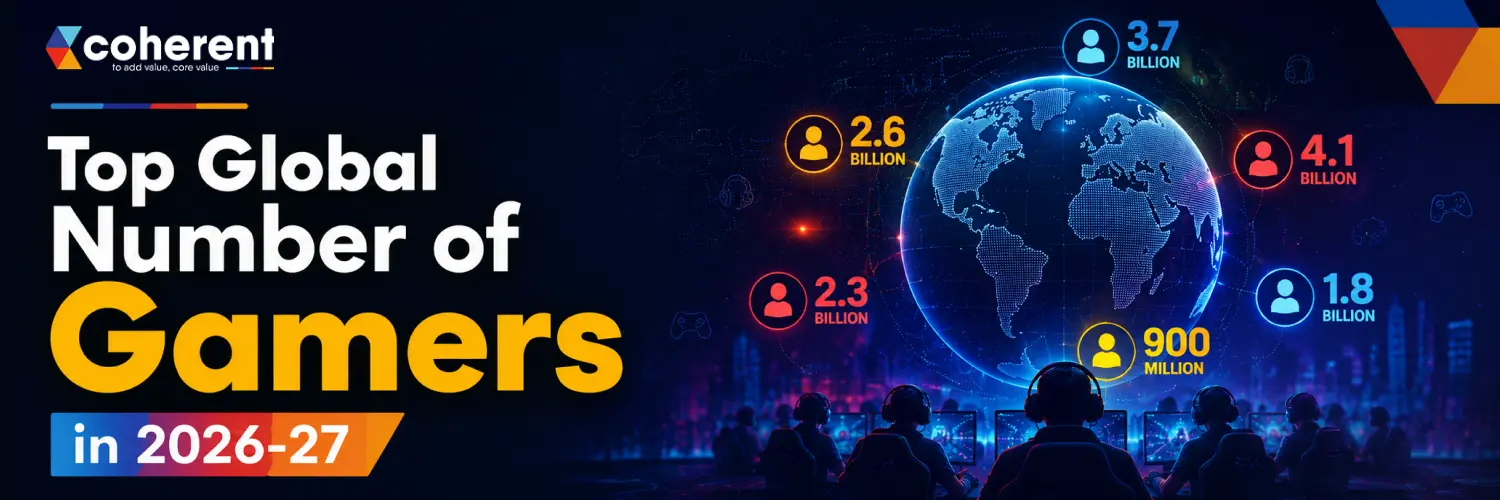
The global gaming industry has evolved into one of the most influential and rapidly growing sectors in the digital economy. What was once considered a niche hobby is now a mainstream form of entertainment enjoyed by billions of people across smartphones, PCs, consoles, and cloud-based platforms. As technology continues to advance and internet access becomes more widespread, the number of gamers worldwide is reaching unprecedented levels. In 2026-27, the global gaming population is expected to surpass 3.5 billion players, driven by mobile gaming, esports, cloud gaming, and AI-powered experiences.
Regions such as Asia-Pacific continue to dominate the market, while emerging economies in Latin America, the Middle East, and Africa are contributing significantly to industry growth. Gaming is no longer limited to a specific age group or demographic—it has become a global cultural phenomenon. This article explores the top global number of gamers in 2026-27, including key statistics, market insights, regional trends, growth drivers, challenges, and future opportunities shaping the gaming landscape. Whether you're a gamer, developer, investor, or business leader, understanding these trends can help you stay ahead in one of the world's fastest-growing industries.
Key Takeaways
- The global gaming population is expected to exceed previous records.
- Mobile gaming remains the largest segment worldwide.
- Asia-Pacific continues to dominate gamer numbers.
- Gen Z and Gen Alpha are shaping future gaming trends.
- Cloud gaming is attracting new players.
- Esports audiences continue to expand globally.
- AI-powered gaming experiences are becoming mainstream.
- Cross-platform gaming is increasing player engagement.
Also Read: How to Choose the Best Game App Development Company
How Many Gamers Are There Worldwide in 2026-27?
The global gaming population is expected to surpass 3.5 billion players in 2026-27, making gaming one of the largest entertainment industries worldwide. Driven by mobile devices, affordable internet access, cloud gaming, and esports, the number of gamers continues to rise across all age groups and regions. Asia-Pacific remains the largest gaming market, while emerging economies contribute significantly to future growth.
From Niche Hobby to Global Phenomenon: Understanding Modern Gaming
Gaming has evolved from a niche pastime into a mainstream form of entertainment enjoyed by billions worldwide. Advances in technology, high-speed internet, smartphones, and social gaming platforms have transformed how people interact with games. Today, gaming influences culture, education, communication, and business, making it a powerful force in the digital economy and a key driver of technological innovation.
Breaking Down the Global Gamer Population by Region
The global game app developmentaudience varies significantly across regions, with Asia-Pacific leading in player numbers and revenue generation. North America and Europe maintain strong, mature gaming markets, while Latin America, the Middle East, and Africa are experiencing rapid growth. Factors such as internet accessibility, smartphone adoption, disposable income, and cultural preferences shape gaming participation across different parts of the world.
- Population of gamers by region
- Fastest-growing gaming markets
- Revenue contribution by geography
- Internet penetration and gaming adoption
Also Read: Top Game App Development Companies in India 2026
Which Platform Has the Most Gamers in 2026-27?
Mobile gaming remains the dominant platform due to the widespread availability of smartphones and affordable internet access. PC gaming continues to attract dedicated enthusiasts, while consoles offer premium gaming experiences. Cloud gaming is gaining momentum by allowing users to stream games without expensive hardware. Cross-platform functionality is also expanding, enabling players to connect across multiple devices seamlessly. Coherent Lab helps businesses accelerate digital transformation through innovative software development, AI-driven solutions, cloud technologies, and scalable digital products tailored to modern business needs.
What's Driving the Growth of the Gaming Industry?
Several factors contribute to the rapid expansion of the gaming industry. Affordable smartphones, improved internet infrastructure, and 5G technology have made gaming more accessible than ever. The rise of esports, streaming platforms, and content creators has increased visibility and engagement. Additionally, social features and multiplayer experiences encourage long-term participation, attracting players from diverse demographics globally.
- Mobile-first gaming
- Creator economy
- Cloud infrastructure
- Global connectivity
- Digital payments
Also Read: Top Game Development Companies in Los Angeles Guide List
Benefits of a Growing Global Gaming Community
A larger gaming community creates opportunities for players, developers, businesses, and economies alike. Gamers benefit from enhanced entertainment, social interaction, and skill development, while developers gain access to broader audiences. Businesses leverage gaming for advertising and brand engagement, and governments benefit from job creation, innovation, and increased economic activity generated by the gaming sector.
- Skill development
- Community building
- Digital innovation
- New business opportunities
How Much Do Gamers Spend Every Year?
Gaming expenditure varies by platform, region, and player preferences. Mobile gamers frequently make in-app purchases, while PC and console players often invest in hardware, software, and accessories. Subscription services and cloud gaming platforms are also becoming major revenue streams. Understanding spending patterns helps developers and businesses create sustainable monetization strategies while enhancing player experiences.
- Free-to-play
- Premium games
- In-game purchases
- Battle passes
- Subscription services
Also Read: Build a Viral Ludo Game App Like Ludo King Faster
How Analysts Estimate the Number of Gamers Worldwide
Market researchers use a combination of surveys, platform data, revenue reports, and user analytics to estimate the global gaming population. Analysts distinguish between registered accounts and active users to improve accuracy. Forecasting models incorporate demographic trends, technological developments, and economic indicators to predict future growth, helping stakeholders make informed business and investment decisions.
Best Practices for Gaming Businesses in 2026-27
Gaming companies must adapt to changing player expectations and technological advancements to remain competitive. Prioritizing mobile-first development, cross-platform compatibility, community engagement, and personalized experiences can improve user retention. Businesses should also leverage AI, analytics, and live-service content strategies to create long-term value while maintaining strong relationships with their player communities.
- Live-service content
- Personalized recommendations
- Loyalty rewards
- Influencer partnerships
- User-generated content
Also Read: Innovative Game Ideas for Fantasy Sports App Development
Conclusion
The global gaming industry is poised for continued expansion in 2026-27, with billions of players contributing to unprecedented market growth. Mobile gaming, cloud technologies, esports, and AI innovations will play central roles in shaping the future landscape.
Businesses, investors, and developers that understand these evolving trends will be better positioned to capitalize on opportunities within the rapidly growing gaming ecosystem. Contact us today for Industry Research and Digital Growth Solutions
Frequently Asked Questions
Q1. How many gamers are expected worldwide in 2026-27?
Ans. The global gaming population is projected to exceed 3.5 billion players by 2026-27, reflecting the continued expansion of digital entertainment worldwide. Growth is being driven by mobile gaming, cloud-based platforms, affordable smartphones, and improved internet access. Emerging markets in Asia, Africa, and Latin America are contributing significantly to new player acquisition. As gaming becomes increasingly accessible, experts expect the worldwide gamer base to continue growing steadily.
Q2. Which country has the highest number of gamers in the world?
Ans. China is expected to remain the country with the highest number of gamers in the world during 2026-27. Its massive population, widespread smartphone usage, and highly developed gaming ecosystem contribute to its leading position. Mobile games dominate the market, while PC and esports gaming also attract millions of players. India follows closely as one of the fastest-growing gaming markets, driven by increasing internet penetration and affordable mobile devices.
Q3. What percentage of gamers play on mobile devices?
Ans. Mobile gaming accounts for approximately 60% to 70% of the global gaming audience, making it the most popular gaming platform worldwide. The widespread availability of smartphones and affordable internet access has enabled billions of people to play games anytime and anywhere. Mobile titles attract both casual and dedicated players, while free-to-play business models further increase accessibility. This trend is expected to strengthen throughout 2026 and 2027.
Q4. How big will the gaming industry be by 2027?
Ans. The global gaming industry is projected to surpass $300 billion in market value by 2027, driven by rising player numbers and technological innovation. Revenue streams include game sales, subscriptions, advertising, esports, in-game purchases, and cloud gaming services. Mobile gaming remains the largest contributor to industry revenue, while emerging technologies such as AI, virtual reality, and cloud infrastructure create additional growth opportunities for developers and gaming companies.
Q5. Which region has the fastest-growing gaming population?
Ans. The Middle East, Africa, and parts of Latin America are expected to experience the fastest growth in gaming populations through 2026-27. Increasing smartphone adoption, expanding internet coverage, and a growing young population are fueling this rapid expansion. While Asia-Pacific continues to lead in total gamer numbers, these emerging regions are seeing the highest percentage growth rates, attracting significant investment from global game publishers and technology companies.
Q6. How does cloud gaming affect global gamer numbers?
Ans. Cloud gaming helps increase global gamer numbers by removing the need for expensive gaming hardware. Players can stream high-quality games directly to smartphones, tablets, laptops, and smart TVs using internet connections. This accessibility lowers entry barriers and attracts new audiences who may not own dedicated gaming devices. As cloud infrastructure improves worldwide, cloud gaming is expected to play a major role in industry growth.
Q7. What age group spends the most time gaming?
Ans. Gen Z gamers, typically between the ages of 13 and 28, spend the most time gaming compared to other age groups. They actively engage in multiplayer games, esports competitions, streaming platforms, and online gaming communities. However, gaming is becoming increasingly popular across all generations, including Millennials and older adults. The growing diversity of gaming content ensures strong participation from players of different ages and interests.
Q8. Will AI significantly change the gaming industry by 2027?
Ans. Yes, artificial intelligence is expected to transform the gaming industry significantly by 2027. AI will enhance game development through automated content creation, smarter non-player characters (NPCs), and personalized player experiences. Developers can use AI to improve game testing, storytelling, and real-time interactions. Players will benefit from more immersive and adaptive gameplay, making gaming experiences more engaging, dynamic, and tailored to individual preferences.

 +91 774-202-1725
 +1 (945) 3387904
 business@coherentlab.com
 +49 15223341304
 UK
UK