Table of Contents
How to Monetize HTML5 Games Successfully
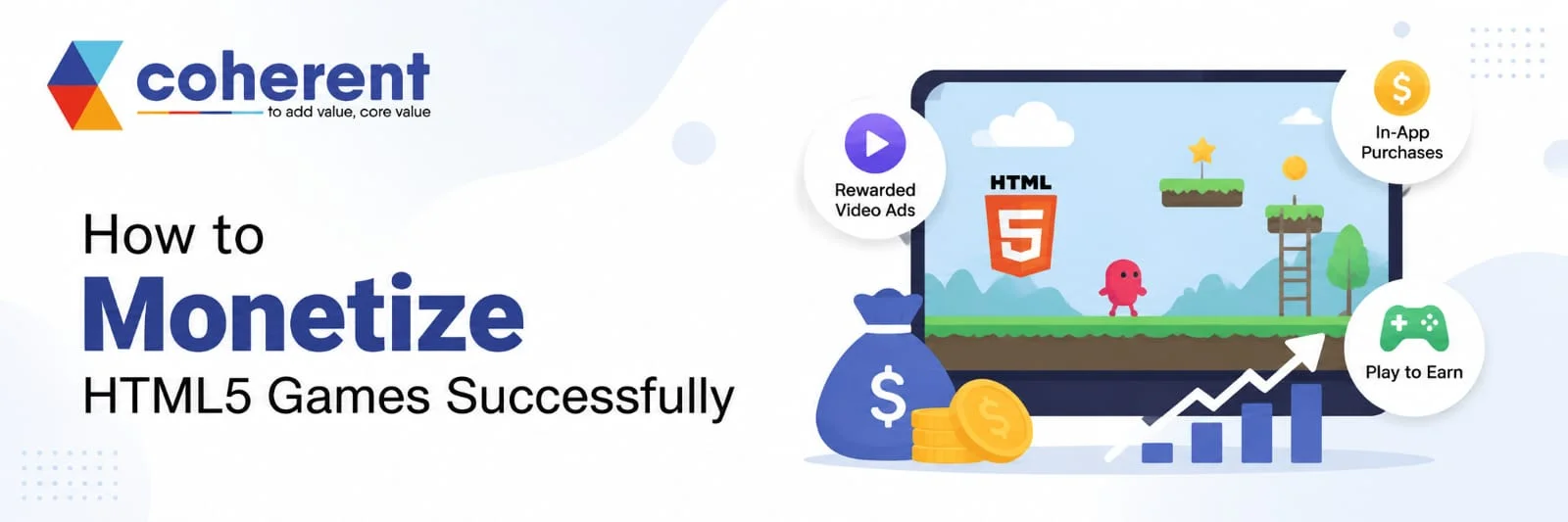
The HTML5 gaming industry has evolved into a highly profitable market, offering developers multiple ways to generate sustainable revenue without relying solely on app stores. Whether you're an indie creator, a game studio, or a publisher, understanding the right monetization strategies can significantly increase your earnings while maintaining a positive player experience. From advertising and in-game purchases to sponsorships and subscription models, each revenue stream serves a unique purpose and audience.
The key to long-term success is choosing the right combination of monetization methods based on your game's genre, player behavior, and engagement levels. This guide explores the most effective ways to monetize HTML5 games, optimize revenue performance, improve player retention, and build a scalable gaming business that generates consistent income in today's competitive browser gaming ecosystem.
Understanding HTML5 Game Monetization
HTML5 game monetization refers to the methods developers use to earn revenue from browser-based games. Unlike traditional game distribution models, HTML5 games can be played instantly across devices, mobile app development, creating opportunities to generate income through ads, purchases, subscriptions, sponsorships, and licensing agreements. Understanding these revenue channels helps developers build profitable and sustainable gaming businesses.
What Is HTML5 Game Monetization?
- Definition of HTML5 game monetization
- How browser games generate revenue
- Revenue opportunities for developers
Why Monetization Matters
- Sustainable game development
- Funding future updates
- Increasing business growth
Key Revenue Metrics
- CPM (Cost Per Mille)
- ARPU (Average Revenue Per User)
- Player Lifetime Value (LTV)
Best Monetization Models for HTML5 Games
HTML5 games use multiple monetization models to generate consistent revenue across web and mobile platforms. Common strategies include in-game advertising, rewarded video ads, in-app purchases, subscription plans, sponsorships, and affiliate marketing. Developers also leverage freemium models and premium game access. Choosing the right approach depends on audience behavior, engagement level, and game type, ensuring sustainable growth and improved player retention and long-term profitability and ROI.
Advertising Revenue Model
- Banner advertisements
- Interstitial ads
- Rewarded video ads
- Playable advertisements
In-Game Purchases (IAP)
- Virtual currencies
- Cosmetic items
- Premium content
- Character upgrades
Subscription Monetization
- Monthly memberships
- Exclusive rewards
- Premium experiences
Sponsorship and Licensing
- Brand-sponsored games
- Educational licensing
- White-label game solutions
Revenue Comparison of HTML5 Game Monetization Methods
Coherent Lab LLP HTML5 game monetization methods offer different revenue potential depending on the strategy used. Advertising, in-app purchases, subscriptions, and sponsorships each provide unique earning opportunities for developers. Ads generate steady passive income, while in-app purchases drive higher user spending. Subscription models ensure recurring revenue, and sponsorships add brand value. Choosing the right combination helps maximize profits, improve user engagement, and ensure long-term sustainability in HTML5 game development.
|
|
|
|
|
|
|
|
|
|
|
|
|
|
|
|
|
|
|
|
|
|
|
|
|
|
|
|
|
|
|
|
|
|
|
|
|
|
|
|
How Rewarded Ads Increase HTML5 Game Revenue
Rewarded ads significantly boost HTML5 game revenue by offering players optional video ads in exchange for in-game rewards such as coins, lives, or power-ups. This non-intrusive format increases engagement, improves retention, and enhances user satisfaction. Players willingly watch ads, leading to higher completion rates and better monetization. Developers benefit from increased eCPM, improved user experience, and sustainable long-term revenue growth across browser-based gaming platforms globally.
Benefits of Rewarded Ads
- Higher CPM rates
- Better user engagement
- Increased retention
Popular Reward Types
- Extra lives
- Bonus coins
- Premium items
- Level unlocks
Best Practices
- Offer meaningful rewards
- Avoid excessive ad frequency
- Balance gameplay progression
Implementing In-Game Purchases Successfully
In-game purchases generate some of the highest revenues in the gaming industry. A well-designed virtual economy encourages players to spend voluntarily while maintaining fairness and enjoyment. Developers should focus on providing value rather than creating pay-to-win experiences.
Popular Digital Products
- Character skins
- Premium currencies
- Booster packs
- Expansion content
Pricing Strategies
- Entry-level purchases
- Bundle offers
- Limited-time discounts
Conversion Optimization
- Personalized offers
- Seasonal promotions
- Loyalty rewards
Best Ad Networks for HTML5 Games
Ad networks for HTML5 games help developers monetize browser-based and mobile web games through ads like banners, interstitials, and rewarded videos. Popular networks such as AdSense, Unity Ads, and Playwire offer high fill rates and global reach. They optimize revenue using targeting, AI app development, analytics, and real-time bidding. Choosing the right network improves user experience, boosts earnings, and ensures smooth integration across different HTML5 game platforms.
Features to Look For
- High CPM rates
- Global coverage
- Rewarded video support
Revenue Optimization Tools
- A/B testing
- Mediation platforms
- Audience segmentation
Common Selection Factors
- Payment reliability
- Ad quality
- Integration simplicity
Increasing Player Retention to Boost Revenue
Increasing player retention is one of the most effective ways to boost game revenue. By keeping users engaged through personalized content, rewarding systems, and regular updates, developers can build long-term loyalty. Higher retention leads to more in-app purchases, ad views, and subscriptions. It also reduces acquisition costs, ensuring sustainable growth and a stronger gaming ecosystem over time for better performance and improved overall user experience.
Retention Strategies
- Daily login rewards
- Achievement systems
- Progression milestones
Engagement Features
- Leaderboards
- Multiplayer modes
- Seasonal events
H3: Community Building
- Social sharing
- Community forums
- User-generated content
SEO and GEO Strategies for HTML5 Game Websites
SEO and GEO strategies for HTML5 game websites focus on improving search visibility and regional targeting to attract more players and developers. By optimizing keywords, game titles, meta tags, and structured data, websites can rank higher on search engines. GEO targeting helps deliver localized content, faster load times, and relevant game recommendations, boosting engagement, retention, and organic traffic across different regions and gaming audiences effectively.
Keyword Optimization
- HTML5 game monetization
- Browser game revenue
- Monetize HTML5 games
GEO Optimization Techniques
- Entity-based content
- AI-friendly answers
- Structured data markup
Content Marketing Ideas
- Case studies
- Revenue reports
- Monetization tutorials
Common HTML5 Game Monetization Mistakes to Avoid
Monetizing HTML5 games can generate strong revenue, but many developers make critical mistakes that reduce earnings. Common issues include overusing ads, poor ad placement, ignoring user experience, and failing to optimize in-app purchases or reward systems. These mistakes often lead to lower retention, reduced engagement, and missed revenue opportunities for game developers targeting browser-based audiences worldwide. Careful planning improves monetization success significantly overall.
Advertising Mistakes
- Too many ads
- Poor placement
- Intrusive formats
Monetization Errors
- Weak pricing strategies
- Unbalanced rewards
- Limited payment options
Growth Challenges
- Ignoring analytics
- Poor retention planning
- Lack of content updates
Future Trends in HTML5 Game Monetization
Future trends in HTML5 game monetization are rapidly evolving with advancements in AI, blockchain, and cloud gaming. Developers are increasingly adopting hybrid revenue models including in-app purchases, rewarded ads, subscriptions, and NFT-based assets. Personalized advertising and data-driven user engagement strategies are improving revenue efficiency. With faster browsers and WebGPU support, HTML5 games will deliver richer experiences, opening new monetization opportunities for developers and publishers globally.
AI-Powered Monetization
- Personalized offers
- Dynamic pricing
- Predictive analytics
Cloud-Based Gaming
- Instant game access
- Cross-device experiences
- Expanded reach
Advanced Advertising Formats
- Interactive ads
- Playable experiences
- Contextual targeting
Conclusion
Monetizing HTML5 games successfully requires a strategic combination of revenue models, user engagement tactics, and long-term growth planning. Developers who balance advertising, in-game purchases, subscriptions, and sponsorship opportunities often achieve the highest earnings while maintaining player satisfaction. Equally important is investing in retention, SEO, and GEO optimization to attract and keep valuable users. By understanding player behavior, optimizing monetization channels, and adapting to emerging industry trends, you can transform Contact us today an HTML5 game into a scalable digital asset that generates consistent and sustainable revenue over time.
Frequently Asked Questions
Q1: What are the most common ways to monetize HTML5 games?
Ans. The most common ways to monetize HTML5 games include in-game ads, rewarded video ads, banner ads, and interstitial ads. Developers also use in-app purchases, premium game versions, subscriptions, and sponsorships. Some games earn through affiliate marketing or branded integrations. Choosing the right monetization model depends on your audience size, engagement level, and platform distribution. A balanced combination of ads and purchases usually delivers the highest revenue potential.
Q2: How do ads generate revenue in HTML5 games?
Ans. Ads generate revenue in HTML5 games by displaying promotional content from ad networks like Google AdSense or game-focused ad platforms. Developers earn based on impressions (CPM), clicks (CPC), or completed views (CPV). Rewarded video ads are especially effective because players voluntarily watch them for in-game rewards. Proper ad placement ensures monetization without disrupting gameplay, which improves user retention and increases overall long-term earnings.
Q3: Are in-app purchases effective for HTML5 games?
Ans. Yes, in-app purchases are highly effective in HTML5 games when implemented correctly. Players can buy virtual currency, extra lives, skins, or power-ups. This model works best for games with strong engagement and competitive mechanics. Offering small, affordable purchases increases conversion rates. However, developers must avoid making the game pay-to-win, as it can reduce user satisfaction and negatively impact long-term player retention and reputation.
Q4: How important is user engagement for monetization?
Ans. User engagement is extremely important for monetizing HTML5 games successfully. The longer players stay in the game, the more ads they view and the higher the chances of in-app purchases. Engaging gameplay, rewards, levels, and challenges help retain users. A strong retention rate increases lifetime value (LTV). Without engagement, even the best monetization strategy will fail because users will not stay long enough to generate revenue.
Q5: Can HTML5 games be monetized without ads?
Ans. Yes, HTML5 games can be monetized without ads using alternative methods like paid game access, subscriptions, or premium downloadable versions. Developers can also use sponsorships or brand partnerships to earn revenue. Some games integrate blockchain or NFT-based economies for monetization. However, without ads, developers must ensure strong value delivery so players are willing to pay upfront or subscribe regularly for continued access and updates.
Q6: Which platforms are best for monetizing HTML5 games?
Ans. Popular platforms for monetizing HTML5 games include web portals, gaming marketplaces, app stores supporting web games, and social platforms. Distributing games on multiple platforms increases visibility and revenue opportunities. Game portals with built-in ad systems are especially beneficial for beginners. Developers should also consider embedding games on websites or using SDKs that support monetization tools, analytics, and audience targeting for better performance.
Q7: How does game design impact monetization?
Ans. Game design plays a major role in monetization success. Well-designed progression systems, rewards, and difficulty balance encourage players to stay longer. Strategic placement of ads and purchase options ensures natural integration into gameplay. Poor design can frustrate users and reduce revenue. A good HTML5 game should be engaging, intuitive, and rewarding, while subtly encouraging monetization actions without interrupting the user experience or flow.
Q8: What are the biggest mistakes in HTML5 game monetization?
Ans. Common mistakes include overloading games with ads, ignoring user experience, and relying on only one revenue source. Many developers also fail to optimize for mobile users or neglect analytics tracking. Poor monetization balance can lead to player drop-off. Another mistake is not testing ad placements or pricing strategies. Successful monetization requires continuous optimization, user feedback analysis, and a balanced approach between revenue and gameplay quality.

 +91 774-202-1725
 +1 (945) 3387904
 business@coherentlab.com
 +49 15223341304
 UK
UK