Table of Contents
Top 10 Apps Like eBay for Buying and Selling Online in 2026
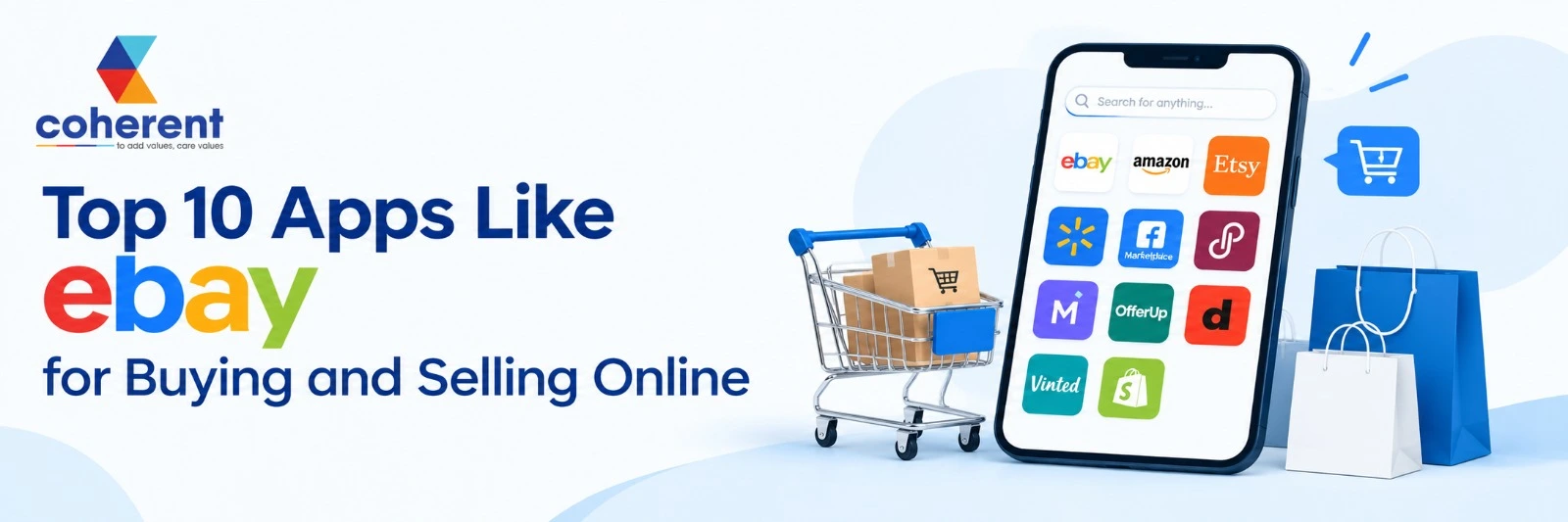
Looking for apps like eBay to buy products, sell unwanted items, or grow an online business? eBay remains a well-known online marketplace, but it is no longer the only option for buyers and sellers. Today, users can choose from platforms focused on fashion resale, handmade products, local buying and selling, secondhand goods, retail products, and independent ecommerce stores.
The right eBay alternative depends on what you want to sell, your target customers, marketplace fees, shipping options, seller tools, product categories, and the level of control you want over your online store. Some platforms provide access to large marketplace audiences, while others give sellers more control over branding and customer experiences.
Quick Comparison of eBay Alternatives
The following comparison highlights popular eBay alternatives based on their primary audience, selling model, and product categories. Platforms such as Amazon and Walmart Marketplace suit retail sellers, while Etsy focuses on handmade products. Facebook Marketplace and OfferUp support local selling, whereas Poshmark, Depop, and Vinted are more focused on fashion resale and secondhand products. Businesses planning a marketplace app can explore mobile app development services.
| App | Best For | Selling Model | Popular Categories |
|---|---|---|---|
| Amazon | New products | Marketplace | Electronics, home, fashion |
| Etsy | Handmade products | Marketplace | Crafts, jewelry, gifts |
| Facebook Marketplace | Local selling | C2C | Furniture, electronics, vehicles |
| Mercari | Secondhand products | C2C | Fashion, electronics, collectibles |
| Poshmark | Fashion resale | C2C | Clothing, shoes, accessories |
| Depop | Vintage & fashion | C2C | Fashion, streetwear, vintage |
| Walmart Marketplace | Retail products | B2C | Electronics, home, groceries |
| OfferUp | Local buying and selling | C2C | Furniture, electronics, vehicles |
| Vinted | Secondhand fashion | C2C | Clothing, shoes, accessories |
| Shopify | Independent online stores | B2C/D2C | Almost any product |
1. Amazon
Amazon is one of the largest ecommerce marketplaces and a popular alternative to eBay for buying and selling products online. It connects customers with individual sellers, brands, and retailers across categories such as electronics, fashion, home goods, beauty, and more. Its structured listings and fulfillment options support sellers targeting a broad online audience.
- Large customer base
- Multiple product categories
- Seller management tools
- Fulfillment options
2. Etsy
Etsy is a marketplace focused on handmade, creative, personalized, and vintage products. Artists, creators, and small businesses can showcase unique products to shoppers searching for specialized goods. It provides an alternative to eBay for sellers whose products depend on creativity, customization, craftsmanship, and visual presentation.
- Personalized products
- Vintage goods
- Creator-focused storefronts
- Built-in marketplace traffic
3. Facebook Marketplace
Facebook Marketplace provides a convenient way to buy and sell products within local communities. Users can create listings, communicate with potential buyers, and arrange transactions. It can be particularly practical for furniture, appliances, electronics, vehicles, and other products where local pickup is more convenient than shipping.
- Home appliances
- Vehicles
- Clothing
- Collectibles
4. Mercari
Mercari is a consumer marketplace designed for buying and selling new and secondhand products. Individuals can create listings without building their own ecommerce website. Its straightforward marketplace experience can suit sellers who want to list individual products across categories such as fashion, electronics, collectibles, home goods, and accessories.
- Secondhand marketplace
- Mobile-focused experience
- Multiple product categories
- Shipping-focused selling
5. Poshmark
Poshmark is a resale marketplace centered primarily on fashion and lifestyle products. Sellers can list clothing, shoes, accessories, beauty products, and other eligible items. Its community-oriented shopping experience makes it an alternative to eBay for sellers who primarily want to reach fashion and resale shoppers.
- Social shopping
- Seller profiles
- Brand discovery
- Secondhand fashion
6. Depop
Depop is a fashion resale marketplace focused on secondhand clothing, vintage items, streetwear, and individual styles. Sellers can showcase products through visual listings and personalized storefronts. Its social-inspired shopping experience makes it an option for independent sellers who want to highlight unique fashion collections and personal style.
- Streetwear
- Secondhand fashion
- Independent sellers
- Unique clothing collections
7. Walmart Marketplace
Walmart Marketplace allows third-party sellers to list products through Walmart's ecommerce ecosystem. Businesses can reach online shoppers across multiple product categories. It is generally more relevant to established sellers and retailers than casual sellers looking to sell occasional household items.
- Broad customer audience
- Multiple product categories
- Seller management tools
- Fulfillment options
8. OfferUp
OfferUp focuses on local buying and selling, making it an alternative to eBay for users who prefer nearby transactions. Buyers can discover listings in their area and communicate with sellers. The platform can be useful for furniture, electronics, vehicles, home goods, clothing, and sporting equipment.
- Vehicles
- Home goods
- Clothing
- Sports equipment
9. Vinted
Vinted is a resale marketplace focused primarily on secondhand fashion and related products. Users can list eligible clothing, footwear, accessories, and other items. Its specialized resale audience makes it an alternative to eBay for individuals whose main goal is selling pre-owned fashion products.
- Secondhand fashion
- Simple listings
- Buyer discovery
- Clothing resale community
10. Shopify
Shopify differs from traditional marketplace platforms because businesses can create and manage their own online stores. Sellers can manage products, payments, inventory, marketing, and customer experiences. It can be suitable for businesses that want greater control over branding, storefront design, customer relationships, and ecommerce operations.
- Custom online storefront
- Product management
- Payment integrations
- Inventory management
How to Choose the Right eBay Alternative
There is no single marketplace that suits every buyer or seller. The right eBay alternative depends on your product category, target audience, selling model, budget, and business goals. Consider whether you need marketplace traffic, local buyers, fashion-focused shoppers, or complete control over your own ecommerce store. Comparing fees, customer reach, branding options, seller tools, shipping, and scalability can help you make a practical choice.
For General Ecommerce Products
For businesses selling a broad range of retail products, platforms such as Amazon and Walmart Marketplace can provide access to established ecommerce audiences. They can be suitable for sellers managing larger product catalogs and seeking marketplace infrastructure.
- General retail products
- Large customer audiences
- Multiple product categories
- Seller management tools
For Handmade Products
Etsy is designed around handmade, creative, personalized, and vintage products. It can be particularly relevant for artists, creators, designers, and small businesses whose products depend on originality and craftsmanship. Sellers should compare marketplace fees, product requirements, audience, and available seller tools before choosing Etsy for their business.
- Handmade products
- Personalized gifts
- Creative products
- Vintage items
For Used Clothing
Poshmark, Depop, and Vinted focus heavily on fashion resale and secondhand products. These platforms can help sellers list pre-owned clothing, shoes, accessories, and other fashion items for shoppers interested in resale. Sellers should compare audience, fees, shipping options, listing processes, and platform policies before selecting a fashion marketplace.
- Secondhand clothing
- Shoes and accessories
- Vintage fashion
- Fashion resale
For Local Selling
Facebook Marketplace and OfferUp can be useful when your primary goal is connecting with buyers in your local area. These platforms can work particularly well for furniture, appliances, electronics, vehicles, and other products where local pickup is practical. Sellers should consider location, buyer demand, communication, payment methods, and transaction arrangements.
- Local buyers
- Furniture and appliances
- Used electronics
- Vehicles and large items
For Your Own Online Store
If you want greater control over your website, branding, checkout, marketing, and customer experience, Shopify offers an independent ecommerce-store approach. Unlike marketplace-focused platforms, an independent store gives businesses more control over their storefront and sales channels while requiring them to manage traffic generation and customer acquisition.
- Custom storefront
- Brand control
- Marketing flexibility
- Customer experience control
What Features Should an Online Marketplace App Have?
An app like eBay needs more than basic product listings and checkout. A successful marketplace should provide convenient experiences for buyers, sellers, and administrators. Essential functionality can include registration, search, filters, product management, payments, orders, reviews, seller dashboards, communication, analytics, and security. Advanced technologies such as AI recommendations, visual search, and fraud detection can further improve marketplace functionality.
Essential Buyer Features
Buyer-side functionality should make product discovery, purchasing, communication, and order management simple and convenient. A well-designed buyer experience allows users to search products, compare options, view detailed information, add items to their cart, and complete purchases securely while easily tracking their orders and managing their account.
- User registration and profiles
- Product search and filters
- Product details
- Shopping cart
Essential Seller Features
Seller tools should help vendors manage products, inventory, pricing, orders, customers, payments, and overall marketplace activity from a centralized dashboard. Effective seller functionality allows businesses to create listings, update stock, manage prices, process orders, monitor sales performance, and communicate with customers more efficiently.
- Seller registration
- Product listing management
- Inventory management
- Pricing controls
Advanced Marketplace Features
Modern marketplaces can use advanced technologies to improve personalization, product discovery, security, and operational efficiency. These features are especially useful for larger platforms handling significant product catalogs and transaction volumes.
- AI-powered recommendations
- Personalized search
- Visual search
- AI shopping assistants
How Much Does It Cost to Build an App Like eBay?
The cost to develop an eBay-like marketplace app depends on its scope, platforms, features, technology stack, design, integrations, security, and development team. A basic marketplace MVP may cost approximately $30,000–$70,000, while a medium-complexity platform may range from $70,000–$150,000+. A large-scale marketplace with advanced AI, logistics, analytics, and scalable infrastructure can exceed $150,000–$300,000+.
| App Type | Estimated Development Cost | Development Timeline |
|---|---|---|
| Basic Marketplace MVP | $30,000–$70,000 | 3–5 months |
| Medium-Complexity Marketplace | $70,000–$150,000 | 5–8 months |
| Advanced Marketplace | $150,000–$300,000+ | 8–12+ months |
| Enterprise-Level Marketplace | $300,000+ | 12+ months |
Factors That Affect Development Cost
Several technical and business decisions can significantly influence the overall cost of building an online marketplace. The number of platforms, complexity of seller tools, integrations, security requirements, and post-launch support can all affect the development budget.
- UI/UX design
- iOS and Android development
- Backend architecture
- Seller dashboard
Final Thoughts
The growth of ecommerce has created many apps like eBay for buying and selling online. General marketplaces such as Amazon and Walmart Marketplace serve broad retail needs, while Etsy focuses on handmade products and platforms such as Poshmark, Depop, and Vinted specialize in fashion resale.For local transactions, Facebook Marketplace and OfferUp provide a different approach.
Meanwhile, Shopify gives businesses the ability to build an independent ecommerce store. The right eBay alternative ultimately depends on your products, customers, selling model, fees, shipping requirements, and desired level of control. If you need help planning or developing your own ecommerce marketplace, get in touch with our experts to discuss your requirements.
Frequently Asked Questions
Q1. What are the best apps like eBay?
Ans. Popular apps and platforms like eBay include Amazon, Etsy, Facebook Marketplace, Mercari, Poshmark, Depop, Walmart Marketplace, OfferUp, Vinted, and Shopify. Each platform serves different buyer and seller needs. The right eBay alternative depends on product type, selling model, marketplace audience, fees, shipping options, seller tools, and whether you prefer marketplace exposure or your own online store.
Q2. What is the best eBay alternative for selling used items?
Ans. Platforms such as Facebook Marketplace, Mercari, OfferUp, Poshmark, Depop, and Vinted can support secondhand selling. The most suitable option depends on the products you sell, your location, shipping preferences, seller fees, and marketplace policies. Local marketplaces can work well for bulky products, while fashion-focused platforms may be more suitable for clothing, accessories, and footwear.
Q3. What apps are like eBay for clothes?
Ans. Popular fashion resale platforms include Poshmark, Depop, and Vinted. These platforms focus heavily on clothing, accessories, footwear, and secondhand fashion. Etsy can also be relevant for handmade, personalized, or vintage fashion products. Sellers should compare listing requirements, fees, shipping options, audience, seller tools, and product categories before choosing a platform for selling clothes.
Q4. What is an eBay alternative for handmade products?
Ans. Etsy is a popular eBay alternative for handmade, creative, personalized, and vintage products. Sellers can create product listings and reach shoppers interested in unique goods. Other options include Amazon Handmade, Shopify, Big Cartel, and WooCommerce. The right platform depends on your product category, branding requirements, marketplace reach, customization needs, budget, and preferred selling model.
Q5. Can I sell products without using eBay?
Ans. Yes, sellers can sell products without using eBay. Popular alternatives include Amazon, Etsy, Facebook Marketplace, Mercari, Walmart Marketplace, Poshmark, Depop, OfferUp, and Vinted. Businesses can also create independent ecommerce stores using Shopify, WooCommerce, Wix, or Squarespace. Your choice should depend on product type, target customers, selling fees, branding control, and business goals.
Q6. Which eBay alternatives are good for local selling?
Ans. Facebook Marketplace and OfferUp are commonly used for local buying and selling. They can be useful for furniture, appliances, vehicles, electronics, and other products where local pickup is practical. Sellers should consider their location, buyer demand, payment methods, communication options, and safety practices. Marketplace availability and features can vary by region.
Q7. How much does it cost to build an app like eBay?
Ans. Building an eBay-like marketplace can cost approximately $30,000 to $300,000+, depending on project complexity. Costs can vary based on features, UI/UX design, technology stack, payment integrations, seller tools, security, search, notifications, administration, and scalability. A basic marketplace MVP generally costs less, while an advanced platform with AI, analytics, and complex integrations requires a larger investment.
Q8. What features are needed to build an app like eBay?
Ans. An eBay-like marketplace typically needs user accounts, seller profiles, product listings, search, filters, shopping carts, checkout, payment integration, order tracking, reviews, inventory management, notifications, analytics, and security. Advanced features can include AI-powered recommendations, visual search, fraud detection, auctions, real-time messaging, personalized feeds, and automated seller tools to improve the marketplace experience.

 +91 774-202-1725
 +1 (945) 3387904
 business@coherentlab.com
 +49 15223341304
 UK
UK