Table of Contents
Women’s Health Tracking App Development Complete Guide 2026
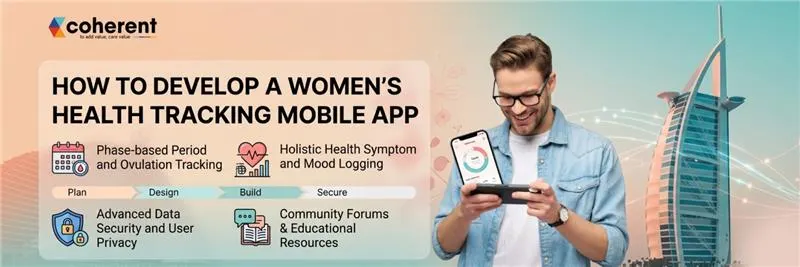
Women’s health tracking apps are transforming how users manage their wellness, from menstrual cycles to pregnancy and hormonal balance. With the rapid growth of FemTech, startups and businesses are investing in feature-rich, secure, and personalized mobile apps to meet evolving healthcare needs. These apps empower users with real-time insights, predictive analytics, and better control over their health.In 2026, developing a women’s health tracking mobile app is not just about basic tracking—it’s about delivering personalized experiences, ensuring data privacy, and integrating advanced technologies like AI and wearables. This guide will help you understand the complete development process, essential features, costs, and strategies to build a successful app.
Introduction to Women’s Health Tracking Apps
Women’s health tracking apps are digital solutions designed to help women monitor and manage their health easily. These apps offer features like menstrual cycle tracking, ovulation prediction, pregnancy monitoring, and health insights. They empower users with personalized data, improve wellness, and support informed decisions through convenient, user-friendly mobile technology.
What is a Women’s Health App?
A women’s health app is a mobile application designed to help women track and manage their health. It includes features like menstrual cycle tracking, ovulation prediction, pregnancy monitoring, symptom logging, and personalized insights, enabling users to make informed decisions and maintain overall wellness.
Why Demand is Increasing
Demand for women’s health apps is increasing due to rising health awareness, digital adoption, and the need for personalized care. Features like cycle tracking, fertility insights, and remote monitoring offer convenience and privacy. Growing focus on femtech innovation and data-driven healthcare is also driving widespread adoption among users globally.
Key Features of a Women’s Health Tracking App
Key features include menstrual tracking, ovulation prediction, pregnancy monitoring, symptom logging, reminders, AI insights, data security, and personalized health recommendations for better user experience and wellness.
- Period and ovulation tracking tools
- Mood, symptom, and medication logs
- Smart notifications and reminders
Advanced Features for Competitive Advantage
Advanced features help your app stand out and provide deeper insights for better user retention.
- AI-based predictions and analytics
- Wearable device integration
- Telehealth consultation options
AI Health Insights
AI health insights use artificial intelligence to analyze user data and deliver personalized recommendations. In women’s health apps, AI predicts cycles, tracks symptoms, and identifies patterns. It helps users make informed decisions, improves accuracy, and enhances overall wellness by offering timely aLerts, smart suggestions, and data-driven health guidance.
Telehealth Integration
Telehealth integration allows women’s health apps to connect users with doctors remotely through video calls, chat, or voice. It enables quick consultations, prescription support, and continuous care without clinic visits. This feature improves accessibility, saves time, and ensures users receive professional medical guidance directly within the app.
Step-by-Step App Development Process
A structured development process ensures scalability, performance, and faster time-to-market.
- Market research and competitor analysis
- UI/UX design and prototyping
- Development, testing, and deployment
Market Research
Market research involves analyzing user needs, competitors, and industry trends before developing a women’s health app. It helps identify target audiences, key features, and market gaps. By studying user behavior and demand, businesses can create effective strategies, reduce risks, and build apps that meet user expectations and stand out in the market.
App Development
App development is the process of designing, building, testing, and launching a mobile application. For women’s health apps, it includes creating user-friendly interfaces, integrating features like cycle tracking and reminders, ensuring data security, and optimizing performance. A structured approach helps deliver reliable, scalable, and engaging health solutions for users.
Technology Stack for Development
Technology stack for development refers to the combination of tools, frameworks, and technologies used to build a mobile app. It includes frontend, backend, database, and cloud solutions. Choosing the right stack ensures better performance, scalability, security, and seamless user experience, contributing to the overall success of the application.
| Layer | Technology | Description | Benefits |
|---|---|---|---|
| Frontend | Flutter | Cross-platform UI toolkit for building apps from a single codebase | Fast development, beautiful UI, high performance |
| Frontend | React Native | JavaScript framework for building native mobile apps | Reusable components, cost-effective, strong community |
| Frontend | Swift | Native language for iOS app development | High performance, secure, optimized for Apple devices |
| Backend | Node.js | Server-side runtime for scalable applications | Fast, event-driven, handles real-time data well |
| Backend | Django | High-level Python framework for backend development | Secure, rapid development, built-in features |
| Backend | Firebase | Backend-as-a-Service (BaaS) platform by Google | Real-time database, authentication, easy integration |
| Cloud | Amazon Web Services | Cloud platform for hosting and scalability | Reliable, scalable, global infrastructure |
| Cloud | Google Cloud | Cloud services for app deployment and storage | High performance, AI integration, secure |
| Database | MongoDB | NoSQL database for flexible data storage | Scalable, handles large datasets |
| Database | PostgreSQL | Advanced open-source relational database | Strong consistency, secure, reliable |
Frontend Tech
Frontend tech refers to the tools and frameworks used to build the user interface of a mobile app development. It includes technologies like React Native, Flutter, and Swift. These ensure smooth performance, responsive design, and an engaging user experience across devices.
Backend Tech
Backend tech refers to the server-side technologies that handle data storage, authentication, and business logic. Tools like Node.js, Django, and Firebase are commonly used to build secure, scalable, and high-performance mobile app infrastructures.
Cost of Developing a Women’s Health App
Development cost depends on features, complexity, and the team’s location and expertise.
- Basic app: $10,000–$25,000
- Advanced app: $30,000–$100,000+
- Ongoing maintenance costs
Cost Factors
Cost factors in women’s health app development include app complexity, feature set, UI/UX design, platform choice (iOS or Android), and development team location. Advanced features like AI, telehealth, and data security increase costs. Ongoing expenses such as maintenance, updates, and cloud services also impact the overall budget.
Development Region Impact
Development region impacts app costs due to differences in labor rates, expertise, and infrastructure. Regions like North America charge higher fees, while Asia offers more cost-effective development. However, quality, communication, and time zones also matter. Choosing the right region helps balance budget, efficiency, and overall app development quality.
UI/UX Best Practices
A user-friendly and empathetic design is essential for engagement and trust in health apps.
- Simple and intuitive navigation
- Personalized dashboards
- Privacy-focused design
User-Friendly Design
User-friendly design focuses on creating simple, intuitive, and easy-to-navigate app interfaces. It ensures users can quickly access features like tracking, reports, and reminders without confusion. Clean layouts, clear icons, and responsive design improve usability, enhance user experience, and increase engagement, making the app more effective and enjoyable to use.
Privacy Design
Privacy design ensures user data is collected, stored, and shared securely. In women’s health apps, it includes encryption, secure authentication, and user consent controls. Transparent policies and compliance with regulations protect sensitive information, build user trust, and ensure a safe environment for managing personal health data.
Legal & Security Compliance
Compliance is critical to protect sensitive user data and build credibility.
- Follow HIPAA and GDPR regulations
- Implement data encryption
- Ensure secure authentication
Data Security
Data security protects sensitive user information from unauthorized access and breaches. In women’s health apps, it involves encryption, secure APIs, and strong authentication methods. Regular security audits and compliance with standards ensure data safety, build user trust, and safeguard personal health records from cyber threats and misuse.
Compliance Standards
Compliance standards ensure women’s health apps follow legal and regulatory requirements for data protection and user safety. Guidelines like HIPAA and GDPR mandate secure data handling, user consent, and transparency, helping apps build trust, avoid penalties, and operate responsibly across different regions.
Monetization Strategies
A strong monetization strategy ensures profitability while delivering value to users.
- Subscription plans for premium features
- Freemium model with upgrades
- Partnerships with healthcare providers
Subscription Model
A subscription model allows users to access premium features by paying a recurring fee, monthly or yearly. In women’s health apps, it can include advanced insights, personalized plans, and expert consultations. This model ensures steady revenue, improves user retention, and supports continuous updates, maintenance, and feature enhancements.
Freemium Model
A freemium model offers basic app features for free while charging for advanced functionality. In women’s health apps, users can access cycle tracking at no cost, while premium features like AI insights, detailed reports, or telehealth services require payment, helping attract users and convert them into paying
Challenges in Development
Understanding challenges helps you plan better and avoid costly mistakes.
- Data accuracy and personalization issues
- Privacy concerns among users
- Regulatory compliance complexities
Data Accuracy
Data accuracy ensures that the information collected and processed in a women’s health app is correct and reliable. It improves predictions like cycle tracking and health insights. Accurate data helps users make informed decisions, enhances trust, and ensures better outcomes by reducing errors and delivering precise, personalized health information.
User Trust Issues
User trust issues arise when users feel uncertain about how their personal data is collected, stored, or used. In women’s health apps, concerns about privacy, data misuse, and accuracy can reduce confidence. Transparent policies, strong security measures, and reliable features help build trust and encourage long-term user engagement.
Final Words
Building a women’s health tracking mobile app requires the right blend of innovation, user-centric design, and secure technology. By focusing on essential features, compliance, and scalability, you can create a successful, reliable, and future-ready solution in the rapidly growing FemTech market. Ready to launch your app? Contact us today to turn your idea into a powerful, user-friendly, and scalable health app.
FAQs
1. How much does it cost to develop a women’s health tracking app?
Ans. The cost typically ranges from $10,000 to $100,000+, depending on features, complexity, and development team location. A basic app with period tracking costs less, while advanced apps with AI, wearable integration, and telehealth features increase the budget. Ongoing maintenance and updates also add to the total investment.
2. What are the must-have features in a women’s health app?
Ans. Essential features include period tracking, ovulation prediction, symptom logging, reminders, and personalized insights. Advanced apps also include AI-based recommendations, wearable integration, and telehealth services. These features improve user engagement and help deliver accurate and valuable health insights.
3. Which technology is best for developing a health tracking app?
Ans. Popular technologies include Flutter and React Native for frontend development, and Node.js or Django for backend systems. Cloud platforms like AWS or Google Cloud ensure scalability. The right tech stack depends on your app’s complexity, performance needs, and long-term growth plans.
4. How do women’s health apps ensure data privacy?
Ans. These apps follow strict regulations like GDPR and HIPAA to protect user data. They use encryption, secure authentication, and anonymized data processing. Transparency in data usage and obtaining user consent are also crucial for building trust and ensuring compliance.
5. How can I monetize a women’s health tracking app?
Ans. You can monetize through subscription models, freemium plans, in-app purchases, and partnerships with healthcare providers. Offering premium features like advanced insights or consultations can increase revenue while maintaining a free basic version for wider user reach.
6. What are the biggest challenges in women’s health app development?
Ans. Key challenges include ensuring data accuracy, maintaining user privacy, and complying with healthcare regulations. Building trust is critical, as users share sensitive data. Additionally, integrating advanced technologies like AI and wearables can increase development complexity and cost.

 +91 774-202-1725
 +1 (945) 3387904
 business@coherentlab.com
 +49 15223341304
 UK
UK