
Table of Contents
Hot Wallet vs Cold Wallet: Differences, Security, and Use Cases
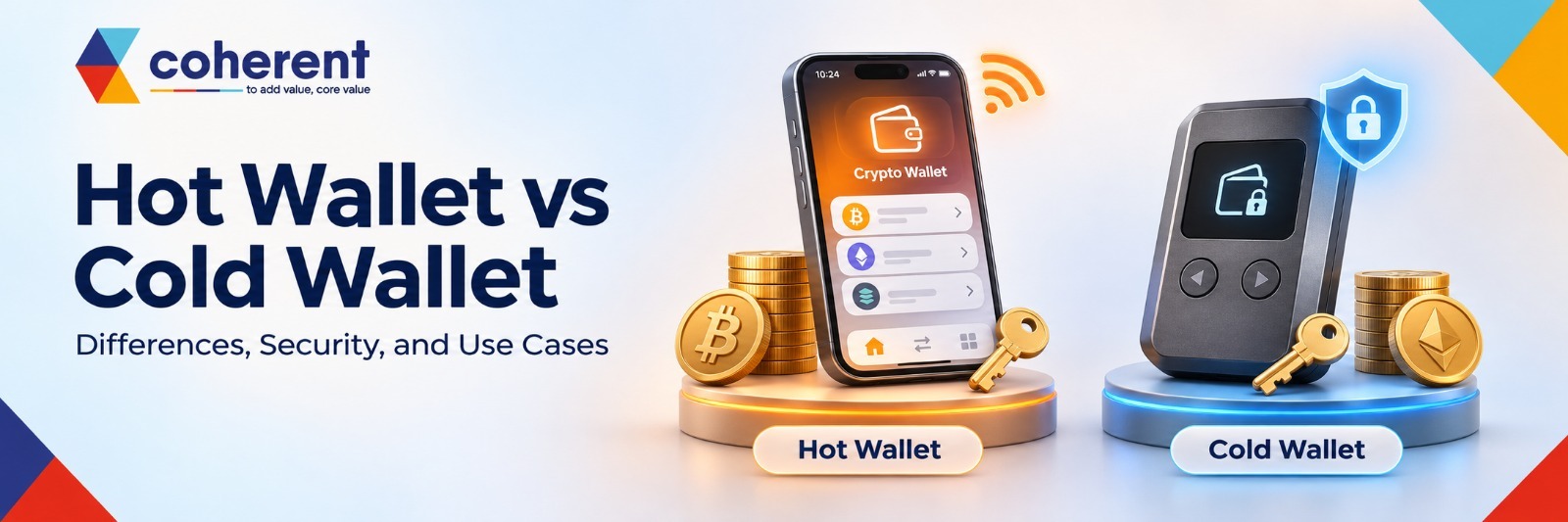
As cryptocurrency adoption continues to grow, securing digital assets has become an important priority for individuals, investors, and businesses. Whether someone is managing Bitcoin, Ethereum, or other cryptocurrencies, choosing the right wallet plays a significant role in protecting funds and maintaining control over digital assets. Two of the most commonly used cryptocurrency storage solutions are hot wallets and cold wallets.
Both serve the same primary purpose of storing and managing access to cryptocurrency, but they differ significantly in how they connect to the internet, handle transactions, and protect private keys. Understanding the differences between hot wallets and cold wallets helps users make informed decisions based on their security requirements, transaction frequency, and investment goals. This guide explores how both wallet types work, their benefits, security differences, and practical use cases.
Quick Answer
A hot wallet is a cryptocurrency wallet connected to the internet, making it convenient for frequent transactions, trading, and everyday digital payments. A cold wallet stores private keys offline, offering stronger protection against online threats such as hacking, phishing, and malware. The primary difference is accessibility versus security. Hot wallets prioritize convenience and fast transactions, while cold wallets focus on protecting digital assets through offline storage. The right choice depends on how frequently users access their cryptocurrency and how much security they require. the Top 10+ Best Crypto Wallet Apps in 2026 to help you store, manage, and grow your digital assets safely and confidently in the evolving crypto ecosystem.
Key Takeaways
- Hot wallets remain connected to the internet and support quick cryptocurrency transactions.
- Cold wallets store private keys offline, reducing exposure to online cyberattacks.
- Hot wallets are suitable for active traders, frequent transactions, and decentralized applications.
- Cold wallets are generally preferred for long-term cryptocurrency storage.
- Both wallet types have security risks and require proper private key management.
- Hardware wallets, paper wallets, and offline signing devices are common cold storage approaches.
- Combining hot and cold wallets can help balance accessibility and asset protection.
What Is a Hot Wallet?
A hot wallet is a cryptocurrency wallet that maintains an internet connection to facilitate digital asset management and transactions. It allows users to send, receive, exchange, and interact with cryptocurrencies without needing to connect a separate offline device for every transaction. Hot wallets are commonly available as mobile applications, desktop software, and browser extensions. Their easy accessibility makes them popular among cryptocurrency traders, Web3 users, and individuals who regularly interact with blockchain platforms. Examples of popular hot wallets include MetaMask, Trust Wallet, and Coinbase Wallet. we will explore the most secure blockchain wallets, key security features, and best practices to keep your cryptocurrency safe.
How Does a Hot Wallet Work?
A hot wallet generates and manages cryptographic keys that allow users to access their cryptocurrency on a blockchain network. The wallet uses private keys to authorize transactions, while public wallet addresses allow users to receive digital assets. When a user initiates a transaction, the wallet signs it using the private key and broadcasts the signed transaction to the blockchain network through an internet connection. Although cryptocurrency is recorded on the blockchain rather than physically stored inside the wallet, the wallet manages the credentials needed to access and transfer those assets.
Benefits of Hot Wallets
1. Easy Accessibility: Users can access their cryptocurrency through smartphones, computers, or browser extensions without requiring specialized hardware.
2. Faster Transactions: Hot wallets simplify sending and receiving cryptocurrencies, making them suitable for frequent transactions and trading activities.
3. DeFi Integration: Many hot wallets connect directly with decentralized finance (DeFi) platforms, decentralized exchanges, NFT marketplaces, and Web3 applications.
4. User-Friendly Experience: Most hot wallets offer simple interfaces, transaction histories, token management, and integrated blockchain services.
5. Multi-Asset Support: Several hot wallets support multiple cryptocurrencies and blockchain networks, allowing users to manage different digital assets from one interface.
What Is a Cold Wallet?
A cold wallet is a cryptocurrency storage solution that keeps private keys offline, away from direct internet exposure. It is primarily designed to protect digital assets from online security threats and unauthorized access. Cold wallets are particularly useful for investors, organizations, and businesses that want to store cryptocurrency for extended periods without frequently accessing it. Hardware wallets and properly generated paper wallets are examples of cold storage solutions. Hardware devices such as Ledger and Trezor are widely used to keep private keys isolated from internet-connected devices. A reliable wallet requires strong security architecture, blockchain integration, intuitive UX, scalable infrastructure, and careful compliance planning.
How Does a Cold Wallet Work?
A cold wallet generates or stores private keys in an offline environment. When users need to complete a cryptocurrency transaction, they can prepare the transaction using an online device and transfer the unsigned transaction to the offline wallet for signing. The cold wallet signs the transaction without exposing the private key to the internet. The signed transaction can then be transferred back to an online device and broadcast to the blockchain. This approach reduces the risk of private key exposure through internet-connected devices.
Benefits of Cold Wallets
1. Stronger Protection Against Online Attacks: Keeping private keys offline reduces exposure to remote hacking, phishing attacks, and internet-based malware.
2. Better Long-Term Storage: Cold wallets are suitable for users who hold cryptocurrency for extended periods and do not require frequent transactions.
3. Greater Control Over Private Keys: Self-custody cold wallets allow users to maintain control over their private keys rather than relying entirely on a centralized exchange.
4. Reduced Online Exposure: Since private keys remain offline, attackers cannot access them through ordinary online attacks against connected wallet software.
5. Suitable for High-Value Holdings: Investors and businesses managing significant digital asset holdings can use cold storage as part of a broader cryptocurrency security strategy.
Hot Wallet vs Cold Wallet: Key Differences
Although hot wallets and cold wallets provide access to cryptocurrency, their operating methods and security approaches are different. Understanding these differences helps users select a wallet that matches their digital asset management requirements.
|
|
|
|
|---|---|---|
|
|
|
|
|
|
|
|
|
|
|
|
|
|
|
|
|
|
|
|
|
|
|
|
|
|
|
|
|
|
|
|
|
|
|
|
|
|
|
|
Security Differences: Which Wallet Is Safer?
Security is one of the most important factors when comparing hot wallets and cold wallets. Hot wallets are continuously connected to internet-enabled environments, which makes them more convenient but also increases their exposure to certain cyber threats. Attackers may attempt to compromise wallet credentials through phishing websites, malicious applications, malware, or compromised devices. Cold wallets reduce many of these risks by keeping private keys offline. However, offline storage does not guarantee complete security. Physical theft, damaged hardware, compromised recovery phrases, unsafe backups, and poor device setup can still result in the loss of cryptocurrency. The following table highlights some common security considerations. Also explore crypto wallet app development costs, features, technology, timelines, security, maintenance, and ways to reduce development expenses without compromising product quality.
|
|
|
|
|---|---|---|
|
|
|
|
|
|
|
|
|
|
|
|
|
|
|
|
|
|
|
|
|
|
|
|
Key Factors to Consider When Choosing a Cryptocurrency Wallet
Choosing between a hot wallet and a cold wallet requires more than comparing their security features. Users should evaluate their cryptocurrency usage patterns, technical requirements, and asset protection needs.
1. Transaction Frequency
Users who regularly trade cryptocurrency or make digital payments may benefit from hot wallets because of their quick accessibility. Those who rarely move their assets may find cold wallets more suitable.
2. Security Requirements
Individuals and organizations managing valuable digital assets should prioritize secure private key management, offline backups, and strong authentication practices.
3. Ease of Use
Hot wallets generally provide a simpler user experience, particularly for beginners. Cold wallets may require additional steps, including device initialization, recovery phrase management, and transaction signing.
4. Blockchain Compatibility
Not every wallet supports every blockchain network or cryptocurrency. Before choosing a solution, users should verify that the wallet supports their required tokens, networks, and transaction standards.
5. Backup and Recovery Options
A reliable wallet should provide a secure recovery process. Users should understand how recovery phrases work and store them in a protected location that is not accessible through ordinary online accounts.
6. Integration Requirements
Businesses and developers building blockchain-based applications should consider wallet integration, transaction signing, API compatibility, smart contract interactions, and user authentication requirements.
Common Use Cases of Hot Wallets and Cold Wallets
Different wallet types serve different cryptocurrency management needs. Understanding their practical applications helps users select the right solution.
|
|
|
|
|---|---|---|
|
|
|
|
|
|
|
|
|
|
|
|
|
|
|
|
|
|
|
|
|
|
|
|
|
|
|
|
|
|
|
|
Can You Use Both Hot and Cold Wallets Together?
Yes. Using both wallet types together is often a practical approach to cryptocurrency management. Instead of depending entirely on one storage method, users can divide their digital assets according to their accessibility and security requirements. For example, a cryptocurrency investor may keep a limited amount of digital assets in a hot wallet for trading, payments, and decentralized application interactions. The remaining holdings can be stored in a cold wallet for long-term security. Businesses can also adopt a similar strategy by maintaining an operational wallet for routine blockchain transactions and a cold storage system for treasury reserves. This approach offers several advantages:
- Improved Asset Segmentation: Separating frequently used funds from long-term holdings reduces unnecessary exposure.
- Better Risk Management: Keeping most assets offline can limit the potential impact of a compromised hot wallet.
- Operational Flexibility: Hot wallets support daily transactions without requiring access to long-term reserves.
- Stronger Security Controls: Businesses can introduce additional authorization and approval procedures for high-value transfers.
Best Security Practices for Managing Cryptocurrency Wallets
Regardless of whether users choose hot wallets or cold wallets, following basic security practices is essential for protecting digital assets. Coherent Lab, a web development and mobile app development company, helps businesses explore technology-driven digital solutions, including blockchain-based application development, to support evolving business requirements.
- Use Strong Authentication: Enable two-factor authentication wherever supported, especially for exchange and wallet-related accounts.
- Protect Recovery Phrases: Never share private keys or recovery phrases with anyone. Store backups securely and offline.
- Verify Transaction Details: Always check wallet addresses, blockchain networks, and transaction amounts before approving transfers.
- Avoid Suspicious Links: Do not connect wallets to unknown websites or download applications from unverified sources.
- Keep Software Updated: Install wallet and device security updates from official sources.
- Use Hardware Wallets Carefully: Purchase hardware wallets through trusted channels and verify their authenticity before use.
- Test Recovery Procedures: Understand how wallet recovery works before transferring significant cryptocurrency holdings.
- Limit Hot Wallet Balances: Keep only the amount needed for regular transactions in internet-connected wallets.
Conclusion
Hot wallets and cold wallets serve different purposes in cryptocurrency management. Hot wallets provide convenience, fast transactions, and seamless access to blockchain applications, making them suitable for everyday cryptocurrency activities. Cold wallets prioritize offline private key storage, making them a strong option for long-term holdings and reducing exposure to online security threats. The right choice depends on individual requirements, transaction frequency, security expectations, and the value of digital assets being managed. For many users and businesses, combining hot and cold wallets offers a balanced approach to accessibility and security.
As blockchain technology continues to evolve, businesses need reliable wallet infrastructure, secure transaction mechanisms, and well-designed digital asset management systems. A well-planned wallet strategy, combined with appropriate security practices, can help individuals and organizations manage their cryptocurrency assets more confidently. Get in touch with coherentlab.
Frequently Asked Questions (FAQs)
Q1. What is the main difference between a hot wallet and a cold wallet?
Ans. A hot wallet connects to the internet and provides quick access to cryptocurrency transactions, while a cold wallet stores private keys offline to reduce exposure to online security threats.
Q2. Is a cold wallet safer than a hot wallet?
Ans. Generally, yes. Cold wallets offer stronger protection against online threats because private keys remain offline. However, users must protect their hardware devices and recovery phrases to prevent unauthorized access or asset loss.
Q3. Which wallet is better for daily cryptocurrency transactions?
Ans. A hot wallet is generally better for daily cryptocurrency transactions because it offers quick access, convenient transfers, and integration with cryptocurrency exchanges and decentralized applications.
Q4. Can hot wallets be hacked?
Ans. Yes. Hot wallets can be vulnerable to phishing attacks, malware, compromised devices, and malicious applications. Using trusted wallet providers, strong authentication, and secure devices can help reduce these risks.
Q5. Are cold wallets suitable for long-term cryptocurrency storage?
Ans. Yes. Cold wallets are particularly suitable for long-term cryptocurrency storage because they keep private keys offline and reduce exposure to internet-based attacks.
Q6. Can I use a hot wallet and a cold wallet together?
Ans. Yes. Users can maintain a hot wallet for regular transactions and a cold wallet for long-term holdings. This combination helps balance accessibility, convenience, and security.
Q7. Do cold wallets support all cryptocurrencies?
Ans. No. Cryptocurrency support varies depending on the wallet manufacturer and software. Users should check blockchain network and token compatibility before purchasing or setting up a cold wallet.
Q8. What should I consider before choosing a cryptocurrency wallet?
Ans. Consider security features, private key management, supported cryptocurrencies, transaction frequency, recovery options, ease of use, and compatibility with blockchain applications before selecting a wallet.

 +91 774-202-1725
 +1 (945) 3387904
 business@coherentlab.com
 +49 15223341304
 UK

