Table of Contents
How to Turn Your Physical Board Game into a Mobile App
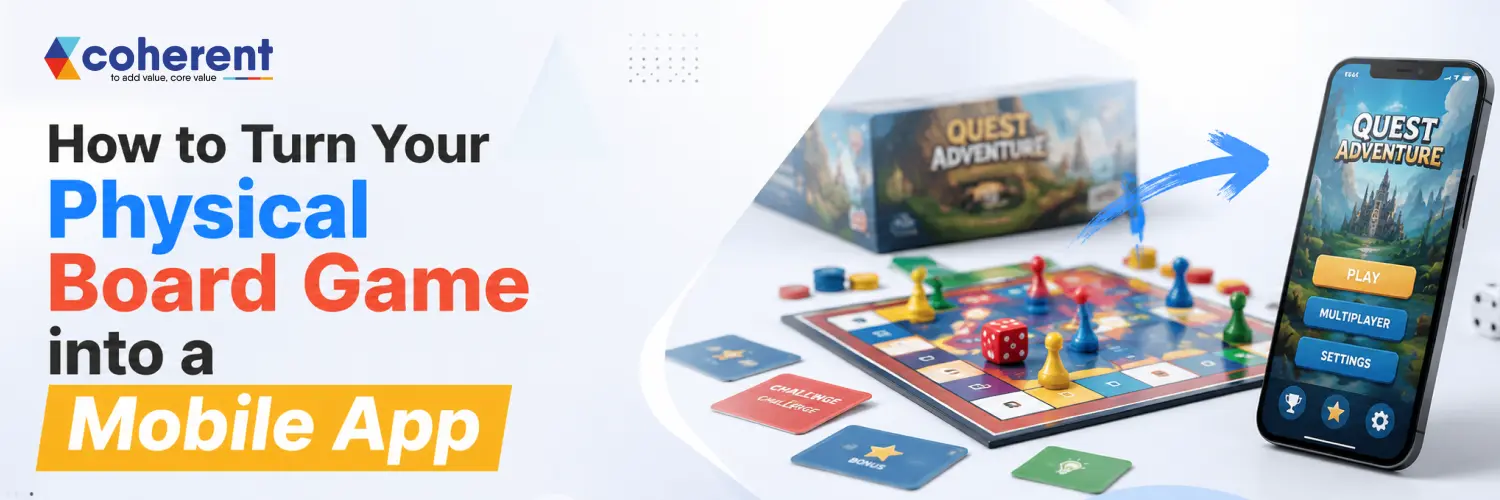
Board games have always brought people together, but today's players expect the convenience of playing anytime and anywhere. As mobile gaming continues to grow, many creators are looking for ways to transform their physical board games into engaging digital experiences. Whether you're an independent designer, a game publisher, or a startup with a unique tabletop concept, converting your board game into a mobile app can help you reach a global audience, increase player engagement, and create new revenue opportunities. However, successful board game app development involves much more than recreating a game board on a smartphone screen. It requires thoughtful planning, intuitive UI/UX design, multiplayer functionality, AI-powered gameplay, and the right technology stack to deliver a seamless user experience across Android and iOS devices.
In this guide, you'll learn the complete process of turning your physical board game into a mobile app—from evaluating your game's mechanics and selecting the best development tools to estimating costs, avoiding common mistakes, and preparing for a successful launch. Whether you're building a casual family game or a competitive strategy title, this guide will help you make informed decisions every step of the way.
Key Takeaways
- Understand what makes a board game work digitally
- Learn the complete development process from concept to launch
- Discover the features modern players expect
- Estimate development costs and timelines
- Avoid common design and development mistakes
- Explore monetization opportunities
- Learn how AI and multiplayer improve engagement
- Understand future trends shaping digital board games
Before You Build: Is Your Board Game Ready for Mobile?
Not every board game translates perfectly to mobile devices. Evaluate your game's complexity, target audience, play sessions, and interaction style before development begins. Understanding which mechanics should remain unchanged and which need digital improvements helps create a seamless experience that feels familiar to existing players while attracting entirely new audiences.
Also Read: The Ultimate Guide to Board Game App Development in 2026
Why More Board Game Creators Are Going Digital
The popularity of mobile gaming has encouraged many board game creators to digitize their products. A mobile version removes geographical limitations, allows online multiplayer experiences, reduces production costs, and creates recurring revenue opportunities. Players also benefit from easier accessibility, automatic rule management, cloud saves, and continuous updates that keep gameplay fresh and engaging.
The growing popularity of digital tabletop gaming
Digital tabletop gaming has grown rapidly as more players seek convenient, online experiences. Mobile devices, faster internet, and multiplayer features have made classic board games more accessible than ever, allowing friends and families to enjoy their favorite games anytime, anywhere, without the limitations of physical game boards.
Benefits for Game Publishers and Creators
Digitizing a board game helps publishers and creators expand their audience, generate recurring revenue, reduce manufacturing and distribution costs, and launch updates more easily. It also creates opportunities to build stronger player communities, collect valuable user feedback, and grow the brand through global app marketplaces.
- Reach players worldwide
- Lower production and distribution costs
- Generate recurring revenue
- Build a loyal online community
- Launch expansions digitally
Benefits for Players
Players enjoy greater convenience, instant access, and the flexibility to play anytime on their smartphones or tablets. Digital board games also offer online multiplayer, AI opponents, automatic rule management, cloud saves, achievements, and regular content updates, making gameplay more engaging and accessible for everyone.
- Play anywhere
- Online matchmaking
- AI opponents
- Faster game setup
- Cross-device progress
- Automatic rule enforcement
Also Read: Top Mobile App Development Companies in India – May 2026 Updated List
Understanding the Digital Transformation Process
Converting a board game into a mobile application requires thoughtful planning rather than simple duplication. Developers must analyze gameplay mechanics, redesign interfaces for touch screens, automate rules, and optimize player interactions. A structured development roadmap ensures the final product maintains the charm of the original game while leveraging the advantages of digital technology.
Step-by-Step Guide to Turning Your Board Game into a Mobile App
A successful board game app follows a structured development process that starts with planning and ends with post-launch improvements. Each stage—from documenting rules and designing interfaces to building multiplayer functionality and testing gameplay—plays an important role in delivering a polished application. Following a systematic approach minimizes risks and improves overall project success.
Step 1: Analyze your game's mechanics and rules
Step 2: Simplify gameplay for mobile users
Step 3: Design the user interface and game screens
Step 4: Choose the right game engine and technology stack
Step 5: Develop the gameplay logic
Step 6: Add multiplayer and AI functionality
Step 7: Test the game with real players
Step 8: Launch on Google Play and the App Store
Step 9: Improve the game through updates and player feedback
Also Read: Mobile App Development Process: Step-by-Step Guide for Businesses
Features That Make a Board Game App Fun, Fair, and Engaging
Modern players expect more than a digital board and dice. Successful board game apps include multiplayer support, AI opponents, achievements, cloud synchronization, tutorials, leaderboards, and secure player accounts. These features improve usability, increase engagement, encourage long-term retention, and create a competitive experience that keeps players returning long after the initial download.
- Essential gameplay features
- Multiplayer features players expect
- Features that increase player retention
- Security and performance essentials
Choosing the Right Technology Without Overcomplicating Things
Selecting the appropriate technology stack is essential for performance, scalability, and future updates. The right combination of game engine, backend services, cloud infrastructure, databases, and analytics tools ensures smooth gameplay across Android and iOS devices. Choosing technologies based on project requirements helps reduce development costs while supporting future feature expansion.Coherent Lab specializes in transforming physical board games into engaging Android and iOS mobile apps, delivering custom game development solutions with intuitive UI/UX, multiplayer functionality, AI integration, and end-to-end support from concept to launch.
How Much Does It Cost to Turn a Board Game into a Mobile App?
Development costs vary depending on gameplay complexity, multiplayer functionality, AI implementation, graphics quality, and platform support. Besides coding, creators should budget for design, testing, cloud hosting, maintenance, app store fees, and marketing. Understanding these expenses early helps avoid unexpected costs and ensures realistic financial planning throughout the project lifecycle.
Best Practices That Lead to Better Reviews and More Downloads
Successful board game apps prioritize user experience, responsive controls, engaging tutorials, and continuous improvements. Regular updates, player feedback, mobile-first design, and performance optimization significantly improve ratings and retention. Developers who focus on simplicity, accessibility, and long-term player satisfaction are more likely to build successful games with strong communities and lasting popularity.
Also Read: Top Game App Development Companies in India (July 2026 Updated List)
Conclusion
Turning your physical board game into a mobile app is an excellent way to reach new audiences and extend your game's lifespan. By following a structured development process, choosing the right technologies, and focusing on player experience, you can build a successful digital product. Partnering with experienced developers further increases the chances of long-term success.
Ready to bring your board game to life on mobile? Contact us today to discuss your idea with our experienced game development team. We'll help you transform your tabletop game into a high-quality Android and iOS app with custom features, multiplayer functionality, and scalable technology tailored to your vision.
Frequently Asked Questions
Q1. How do I turn my physical board game into a mobile app without changing the gameplay?
Ans. Start by documenting your game's rules, mechanics, scoring system, and player interactions. The goal is to preserve the original gameplay while adapting the interface for touchscreens. Focus on intuitive controls, automatic rule enforcement, and smooth navigation without altering the game's core experience. Adding optional features like tutorials, AI opponents, online multiplayer, and cloud saves can enhance convenience while keeping the original strategy and gameplay intact for both existing fans and new players.
Q2. How much does it cost to develop a board game app for Android and iPhone?
Ans. The development cost depends on the game's complexity, features, graphics, and platform support. A basic single-player board game typically costs between $8,000 and $20,000, while multiplayer games with AI and advanced features can range from $20,000 to over $100,000. Additional expenses may include UI/UX design, backend development, testing, cloud hosting, maintenance, app store fees, and post-launch updates. Planning your budget early helps avoid unexpected costs later.
Q3. How long does it take to convert a tabletop game into a mobile app?
Ans. The timeline varies based on the game's complexity and feature requirements. A simple board game may take 2–4 months, while multiplayer games with AI, custom animations, and cross-platform functionality often require 6–12 months. The process includes planning, UI/UX design, development, testing, optimization, and app store approval. Thorough testing is essential to ensure balanced gameplay, stable performance, and a seamless experience across Android and iOS devices.
Q4. Which game engine is best for digital board game development?
Ans. Unity is the most popular choice because it supports both Android and iOS, offers excellent 2D and 3D capabilities, and has strong multiplayer support. Godot is another excellent option for lightweight 2D board games, while Unreal Engine is better suited for graphically advanced projects. The best game engine depends on your project's complexity, budget, target platforms, and future scalability rather than selecting the most feature-rich platform available.
Q5. Can I add online multiplayer and AI opponents to my existing board game?
Ans. Yes. Most physical board games can be enhanced with online multiplayer, matchmaking, private game rooms, and AI-controlled opponents. Multiplayer allows players to compete with friends or users worldwide, while AI opponents provide engaging gameplay even when no human players are available. Developers can also add difficulty levels, cloud synchronization, achievements, and leaderboards to improve replayability and create a more engaging digital experience without changing the game's core mechanics.
Q6. What are the best ways to monetize a mobile board game app?
Ans. Popular monetization strategies include premium app purchases, in-app purchases, subscriptions, rewarded advertisements, cosmetic upgrades, downloadable expansions, and season passes. The ideal approach depends on your target audience and gameplay style. Many successful board game apps combine a free-to-play model with optional purchases that enhance the experience without affecting fairness. Choosing a player-friendly monetization strategy helps generate long-term revenue while maintaining positive reviews and user satisfaction.
Q7. Do I need to copyright or license my board game before creating a mobile version?
Ans. If you created the original board game, protecting your intellectual property is highly recommended before launching a digital version. Copyright protects original artwork, written content, and game assets, while trademarks protect your game's name and branding. If the game belongs to another publisher, you'll need appropriate licensing rights before developing a mobile version. Consulting an intellectual property professional can help safeguard your rights and avoid future legal issues.
Q8. Should I hire a professional board game app development company or build the app myself?
Ans. If you have strong game development skills and sufficient time, building the app yourself may be possible for smaller projects. However, hiring a professional board game app development company provides access to experienced designers, developers, QA testers, and project managers who can deliver a polished product faster. Professional teams also handle multiplayer systems, AI integration, performance optimization, and post-launch support, helping reduce risks and improve the chances of commercial success

 +91 774-202-1725
 +1 (945) 3387904
 business@coherentlab.com
 +49 15223341304
 UK
UK