Table of Contents
SaaS Application Development Guide for Startups (2026 Ultimate Guide)
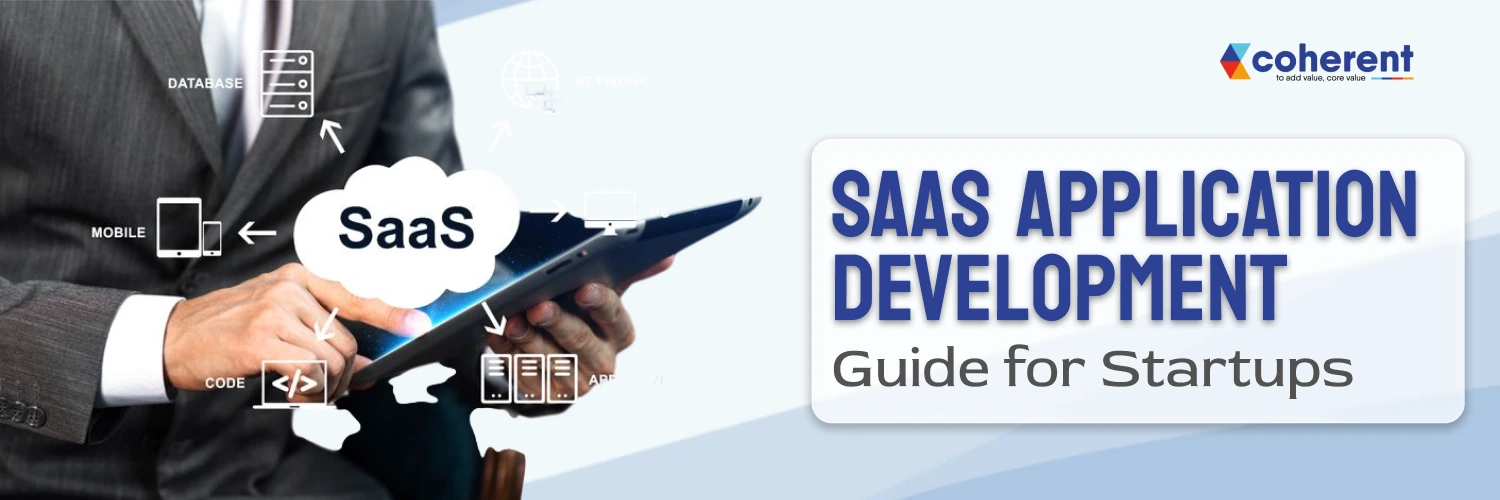
SaaS (Software as a Service) application development refers to building cloud-based software that users access via the internet instead of installing it locally. In simple terms, SaaS products run on remote servers and are delivered through web browsers or mobile apps on a subscription basis. Modern SaaS application development focuses on scalability, security, and continuous delivery. Popular examples include CRM platforms, project management tools, accounting software, and collaboration apps. For startups, SaaS development opens the door to global reach, predictable revenue, and lower infrastructure costs.
Why SaaS is a Game-Changer for Startups
SaaS is revolutionizing the startup ecosystem by offering cost-effective, scalable, and flexible solutions. It eliminates heavy infrastructure costs and enables faster deployment, allowing startups to focus on innovation and growth. With easy accessibility, automatic updates, and subscription-based models, SaaS empowers businesses to adapt quickly, improve efficiency, and compete effectively in today’s fast-paced digital market.
- Lower initial development and deployment costs
- Scalable architecture for rapid growth
- Remote accessibility from any device
- Easier updates and maintenance through cloud systems
- Strong customer retention through recurring billing
SaaS Application Development Process Step-by-Step
The SaaS application development process involves planning, designing, developing, testing, deployment, and continuous improvement. It starts with market research and defining requirements, followed by creating user-friendly designs and scalable architecture. Developers then build and test the application before launching it on the cloud. Ongoing updates, security, and performance optimization ensure long-term success and user satisfaction.
1. Market Research & Idea Validation
Understanding user needs, competitor analysis, and identifying pain points is the foundation of SaaS success.
2. SaaS MVP Development Strategy
Start with a Minimum Viable Product (MVP) to test core features and gather early feedback.
3. UI/UX Design
User-friendly design plays a major role in SaaS success. Clean dashboards and intuitive navigation improve retention.
4. Frontend & Backend Development
Frontend handles user interaction, while backend manages logic, databases, and APIs.
5. Cloud Deployment
SaaS applications are hosted on cloud platforms like AWS, Google Cloud, or Azure for scalability and performance.
6. Testing & Quality Assurance
Security testing, load testing, and bug fixing ensure a stable application.
7. Launch & Continuous Updates
Post-launch improvements, feature upgrades, and performance optimization are essential.
SaaS Architecture Models Explained
SaaS architecture models define how applications are built, deployed, and managed in the cloud. Common models include single-tenant and multi-tenant architectures, each offering different levels of customization, scalability, and cost efficiency. Choosing the right model depends on business needs, security requirements, and growth plans, helping startups deliver reliable, flexible, and high-performing software solutions to users.
1. Multi-Tenant Architecture
Multiple users share a single database and application instance. It is cost-effective and widely used in SaaS platforms.
2. Single-Tenant Architecture
Each customer gets a separate instance, offering higher customization and security.
3. Hybrid Model
A combination of both models for flexibility and performance optimization.
Key Features of a Successful SaaS Application
A successful SaaS application offers scalability, strong security, user-friendly design, and seamless performance. Key features include multi-tenancy, data protection, easy integration, subscription management, and real-time updates. With reliable uptime, responsive support, and analytics-driven insights, SaaS platforms can deliver value, enhance user experience, and ensure long-term customer retention in a competitive digital landscape.
- Secure user authentication and role-based access
- Subscription and billing management system
- Real-time analytics dashboard
- API integrations with third-party tools
- High-level data encryption and security compliance
- Scalable cloud infrastructure
- Automated backup and recovery system
Tech Stack for SaaS Application Development
A modern SaaS application development tech stack includes frontend tools like React or Angular, backend frameworks such as Node.js or Python, databases like PostgreSQL or MongoDB, and cloud platforms like AWS or Azure to ensure scalability, security, and high performance.
1. Frontend Technologies:
- React.js
- Angular
- Vue.js
2. Backend Technologies:
- Node.js
- Python (Django/Flask)
- Java (Spring Boot)
3. Databases:
- PostgreSQL
- MongoDB
- MySQL
4. Cloud Platforms:
- Amazon Web Services (AWS)
- Microsoft Azure
- Google Cloud Platform
5. DevOps Tools:
- Docker
- Kubernetes
- Jenkins
Cost of SaaS Application Development
The cost of SaaS application development depends on features, complexity, and tech stack. Startups investing in mobile app development for SaaS solutions may spend less on MVPs and more on advanced platforms with integrations, security, and scalability. Choosing the right development approach helps optimize the budget while ensuring a high-performance cloud-based application.
Key Cost Factors:
- Feature complexity
- UI/UX design requirements
- Third-party integrations
- Cloud hosting expenses
- Security and compliance needs
Estimated Range:
- Basic SaaS MVP: Low to mid budget
- Mid-level SaaS platform: Moderate investment
- Enterprise SaaS solution: High investment
Common Challenges in SaaS Development
SaaS development comes with challenges like scalability issues, data security risks, integration complexities, and maintaining high performance. Managing multi-tenancy, ensuring uptime, and handling frequent updates can also be demanding. Additionally, user retention and subscription management require strategic planning. Overcoming these challenges with the right technology and planning helps build reliable, secure, and successful SaaS applications.
- Scaling infrastructure efficiently
- Ensuring data security and compliance
- Managing high server loads
- Retaining users in competitive markets
- Handling continuous feature updates
SaaS Monetization Strategies
SaaS monetization strategies focus on generating consistent revenue through models like subscription-based pricing, freemium plans, tiered packages, and pay-as-you-go options. Businesses can also leverage add-ons, upgrades, and enterprise plans to increase value. Choosing the right strategy helps attract users, improve retention, and maximize lifetime customer value while ensuring sustainable and scalable business growth.
1. Subscription-Based Model
Users pay monthly or yearly fees for access.
2. Freemium Model
Basic features are free, while advanced features are paid.
3. Tiered Pricing Model
Different pricing levels based on usage and features.
4. Pay-as-You-Go Model
Users are charged based on usage.
Best Practices for SaaS Development
Building a successful SaaS application requires following best practices like designing scalable architecture, ensuring strong security, and focusing on user experience. Regular testing, continuous integration, and performance optimization are essential for reliability. Adopting cloud-native technologies, enabling seamless integrations, and prioritizing data protection help deliver efficient, secure, and high-performing SaaS solutions that support long-term business growth.
- Focus on the MVP-first development approach.
- Build scalable cloud-native architecture
- Prioritize user experience and performance
- Implement strong cybersecurity measures
- Use agile development methodology
- Continuously update features based on feedback
Choosing the Right SaaS Development Company
Choosing the right SaaS development company is crucial for building a scalable and successful product. Look for expertise in cloud technologies, proven experience, a strong portfolio, and client reviews. Ensure they offer customization, security, and post-launch support. A reliable partner helps streamline development, reduce risks, and deliver a high-quality SaaS solution aligned with your business goals.
- Proven experience in SaaS application development
- Strong portfolio of cloud-based products
- Expertise in modern tech stacks
- Agile development and transparent workflow
- Post-launch support and maintenance
Future of SaaS Application Development (2026 & Beyond)
The future of SaaS application development is driven by AI integration, automation, and cloud-native technologies. Trends like low-code platforms, microservices architecture, and enhanced cybersecurity will shape the industry. Businesses will focus on personalization, scalability, and seamless integrations. As demand grows, SaaS solutions will become smarter, faster, and more efficient, enabling companies to innovate and stay competitive in a digital-first world.
- AI-powered SaaS automation tools
- No-code and low-code SaaS platforms
- Micro-SaaS product growth
- Cloud-native and serverless architecture
- Hyper-personalized SaaS experiences
Final Thoughts
SaaS application development is one of the most powerful opportunities for startups in 2026. With the right strategy, technology stack, and development approach, startups can build scalable, profitable, and globally accessible software products. From MVP development to full-scale SaaS platforms, success depends on planning, execution, and continuous innovation. Businesses that invest early in SaaS will lead the next wave of digital transformation. If you’re ready to turn your SaaS idea into reality, contact us today to discuss your project requirements, get expert guidance, and start building a future-ready SaaS solution tailored to your business goals.
Frequently Asked Questions
Q.1. What is SaaS application development, and how does it work?
Ans. SaaS application development refers to building cloud-based software that users access via the internet without installing it locally. These applications run on remote servers and are maintained by the provider. Users typically pay a subscription fee to access services. SaaS platforms are scalable, secure, and easy to update. For startups, SaaS development enables faster market entry, global accessibility, and reduced infrastructure costs, making it a highly preferred model for modern digital businesses and mobile app development ecosystems.
Q.2. Why is SaaS important for startups in 2026?
Ans. SaaS is important for startups because it offers low initial investment, scalability, and recurring revenue opportunities. Instead of selling one-time software licenses, startups can build subscription-based SaaS products. This ensures consistent cash flow and long-term growth. SaaS application development also allows startups to quickly launch MVPs, test ideas, and improve based on user feedback. With cloud computing and mobile app development integration, SaaS helps startups compete globally and deliver flexible digital solutions efficiently.
Q.3. What is the cost of SaaS application development?
Ans. The cost of SaaS application development depends on features, complexity, tech stack, and development team. A basic MVP may cost less, while advanced SaaS platforms with AI, APIs, and integrations require higher investment. Mobile app development for SaaS solutions also impacts overall pricing. Cloud hosting, security, and maintenance add to long-term costs. Startups should begin with an MVP approach to reduce risk and optimize budget while ensuring scalable SaaS product development.
Q.4. What tech stack is best for SaaS application development?
Ans. The best SaaS tech stack includes frontend frameworks like React or Angular, backend technologies like Node.js or Python, and databases such as MongoDB or PostgreSQL. Cloud platforms like AWS, Azure, or Google Cloud ensure scalability and performance. For mobile app development, Flutter or React Native is often used. A strong tech stack ensures secure, high-performing, and scalable SaaS applications suitable for startups aiming for rapid growth and global reach.
Q.5. What are the key features of a SaaS application?
Ans. A successful SaaS application includes user authentication, subscription billing, cloud storage, analytics dashboards, API integrations, and data security. These features ensure a smooth user experience and scalability. Mobile app development integration allows users to access SaaS platforms on smartphones. Advanced SaaS products also include AI automation and real-time reporting. These features are essential for building competitive SaaS solutions that attract users and increase long-term customer retention.
Q.6. How long does it take to develop a SaaS product?
Ans. SaaS application development typically takes 3 to 9 months, depending on complexity, features, and design requirements. An MVP can be developed faster to validate the idea quickly. Mobile app development integration may extend timelines slightly due to additional testing and optimization. Agile development methodology helps speed up the process through iterative releases. Proper planning, clear requirements, and experienced developers ensure faster delivery and a high-quality SaaS product launch.
Q.7. What are the challenges in SaaS application development?
Ans. Common challenges in SaaS application development include scalability issues, data security risks, high infrastructure costs, and user retention problems. Startups also face competition in the SaaS market. Mobile app development adds complexity in terms of performance optimization and cross-platform compatibility. These challenges can be solved by using cloud-based architecture, strong encryption, and agile development practices. Continuous updates and customer feedback also help improve SaaS product performance and long-term success.
Q.8. How do I choose the right SaaS development company?
Ans. To choose the right SaaS development company, evaluate their experience in SaaS application development, mobile app development, and cloud technologies. Check their portfolio, client reviews, and technical expertise. A good company should offer MVP development, scalable architecture, and post-launch support. Agile methodology and transparent communication are also important. Selecting the right partner ensures cost-effective development, faster delivery, and a high-quality SaaS product that meets startup growth requirements.

 +91 774-202-1725
 +1 (945) 3387904
 business@coherentlab.com
 +49 15223341304
 UK
UK