Table of Contents
How to Develop a Video Streaming App (Complete 2026 Guide)
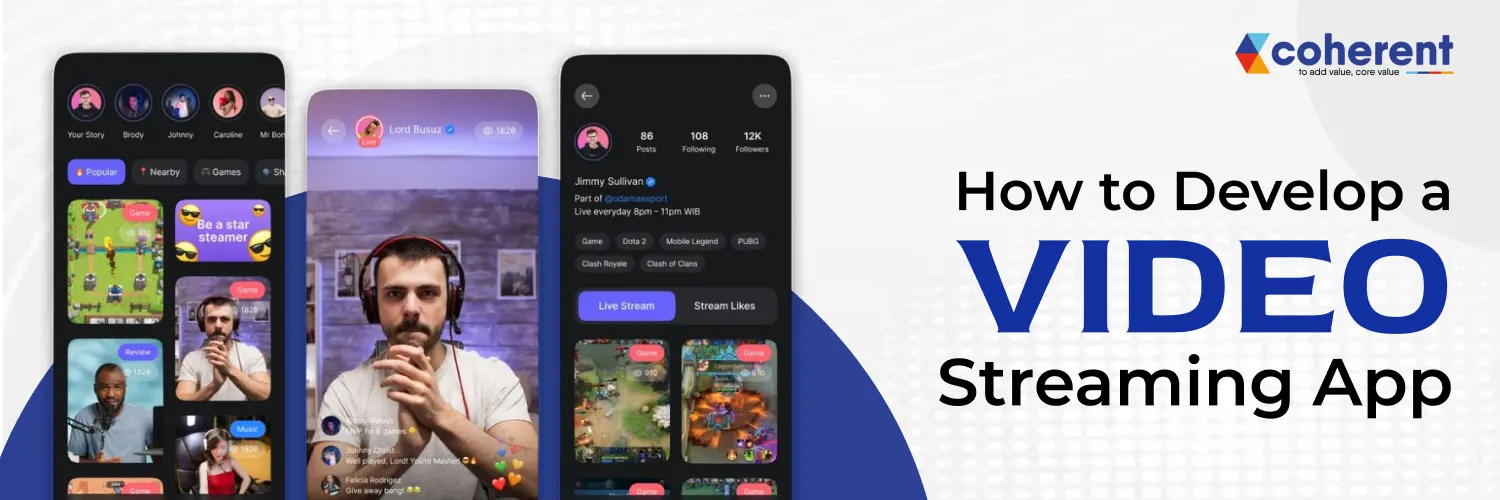
In this digital business era, video is not the future; it’s already the present. From binge-watching shows to live events, users spend hours on streaming platforms every day. This shift has created a huge opportunity for businesses. That’s why video streaming app development is booming nowadays.
Building a streaming app is not just about uploading videos. It’s about speed, smooth playback, and keeping users hooked. So, if you are thinking about building a video streaming app, you need the right approach from day one. Clear idea. Smart features. Scalable tech.
Types of Video Streaming Apps
Video streaming apps come in different formats based on how content is delivered and used. Each type delivers a unique purpose, from entertainment to live interaction. Before you start, choose your app type. Each type has a different goal.
-
Live Streaming Apps
Used for real-time content. For example, gaming, sports, and webinars. - Video on Demand Apps
Users can watch anytime. Think of movie or series platforms. -
OTT Platforms
These are premium apps with subscription models. Many businesses hire OTT app development services to build them professionally. - Social Video Apps
Short-form or user-generated content apps.
Key Features of a Video Streaming App
A successful streaming app depends on features that make watching smooth and enjoyable. The right set of tools keeps users engaged and coming back regularly. Features decide user experience. Keep them simple but powerful.
User Features:
- Easy sign-up/login
- Search and filters
- Video player with quality control
- Watchlist
- Offline download
- Notifications
Advanced Features:
- AI-based recommendations
- Multi-language support
- Screen casting
- Subtitles
Admin Features:
- Content management
- Analytics dashboard
- User management
Tech Stack for Video Streaming App Development
Discover the ideal tech stack for video streaming app development, including frontend frameworks, backend technologies, cloud infrastructure, and content delivery networks. Learn how tools like adaptive streaming, APIs, and secure databases ensure seamless performance. Choosing the right technologies helps build a scalable, high-quality streaming platform with smooth playback, fast loading, and enhanced user experience.
Frontend:
- React Native
- Flutter
Backend:
- Node.js
- Python
Cloud & Storage:
- AWS
- Google Cloud
Streaming Protocols:
- HLS (HTTP Live Streaming)
- MPEG-DASH
Database:
- MongoDB
- MySQL
Step-by-Step Process to Develop a Streaming App
Learn the step-by-step process to develop a streaming app, from idea validation and market research to UI/UX design, development, and deployment. This guide covers essential features, technology stack, content delivery, and testing to ensure smooth performance. Build a scalable, user-friendly streaming platform that delivers high-quality video content and an engaging viewing experience.
Step 1: Market Research
Know your audience. Analyse competitors and find gaps.
Step 2: Define Features
The list must have features. Don’t overload in the beginning.
Step 3: Choose Monetization Model
- Subscription (SVOD)
- Ads (AVOD)
- Pay per view (TVOD)
Step 4: UI/UX Design
Keep designs simple. Users should find content easily.
Step 5: Development
Start with MVP. Test early.
Step 6: Testing
Check performance, speed, and bugs.
Step 7: Launch and Marketing
Promote your app. Get user feedback.
This process is followed by every live streaming app development company.
Cost to Develop a Video Streaming App
Understand the cost to develop a video streaming app, including key factors like features, platform selection, and scalability. With expert mobile app development, businesses can build high-performance streaming platforms tailored to user needs. From basic apps to advanced solutions with AI and live streaming, proper cost planning ensures a scalable, engaging, and budget-friendly streaming application.
- Basic App: $15,000 – $30,000
- Mid Level App: $30,000 – $80,000
- Advanced App: $100,000+
Some of the factors that affect cost include:
- Features
- Platform (iOS, Android, Web)
- Team location
- Design complexity
Best Video Streaming Apps in the Market
Explore the best video streaming apps in the market that deliver high-quality content, seamless performance, and personalized viewing experiences. From movies and TV shows to live streaming and original content, these platforms offer diverse entertainment options. Discover apps that combine advanced features, user-friendly interfaces, and affordable plans to keep you entertained anytime, anywhere.
- Netflix
- YouTube
- Amazon Prime Video
- Disney+
Conclusion
Building a streaming app is a serious game. But it’s also a high-reward one. With the right planning, strong features, and smooth performance, the app can stand out in a competitive market. That’s the core of successful video streaming app development.
Don’t try to build everything at once. Start simple. Launch fast. Improve based on user feedback. If you’re unsure about the tech side, working with expert OTT app development services or a reliable live streaming app development company can make things much easier. Contact us today to get started.
Frequently Asked Questions (FAQ)
Q1. What is the cost to develop a video streaming app in 2026?
Ans. The cost to develop a video streaming app in 2026 depends on features, platform, and scalability. A basic app with essential streaming features may cost $15,000–$30,000, while a mid-level app with live streaming, subscriptions, and AI recommendations can range from $30,000–$80,000. Advanced platforms similar to Netflix or Amazon Prime Video can exceed $100,000. Factors like UI/UX design, cloud hosting, APIs, and maintenance also influence pricing. Choosing the right development team helps optimize costs without compromising quality and performance.
Q2. What features are essential for a video streaming app?
Ans. A successful video streaming app must include features that enhance user experience and engagement. Key features include user registration, video library, adaptive streaming, search functionality, watchlists, and push notifications. Advanced features like AI-based recommendations (used by YouTube), offline downloads, live streaming, and multi-device support are highly valuable. Monetization features such as subscriptions, ads, and pay-per-view are also important. A smooth UI, fast loading speed, and high-quality playback are essential to compete in the growing OTT market.
Q3. Which technologies are used in video streaming app development?
Ans. Modern video streaming apps rely on a combination of frontend, backend, and streaming technologies. Popular frontend frameworks include React Native and Flutter for cross-platform apps. Backend technologies include Node.js, Python, and cloud services like AWS or Google Cloud. For video streaming, protocols like HLS (HTTP Live Streaming) and MPEG-DASH are widely used. Platforms such as Wowza Streaming Engine and FFmpeg help manage video processing and delivery. A strong tech stack ensures scalability, security, and seamless streaming performance.
Q4. How long does it take to build a video streaming app?
Ans. The development timeline depends on the complexity of the app. A basic video streaming app can take 3–4 months, while a feature-rich app with AI recommendations, live streaming, and multi-platform support may take 6–12 months. Apps similar to Hotstar require extensive backend infrastructure and testing, which increases development time. Proper planning, agile development, and experienced developers can speed up the process while maintaining quality and scalability.
Q5. How do video streaming apps make money?
Ans. Video streaming apps use multiple monetization strategies to generate revenue. The most common models include subscription-based (SVOD), ad-supported (AVOD), and transactional (TVOD). Platforms like Netflix use subscriptions, while YouTube relies heavily on ads. Hybrid models combining ads and subscriptions are also popular. Additional revenue streams include in-app purchases, sponsorships, and premium content access. Choosing the right monetization model depends on your target audience and content strategy.
Q6. How can I ensure scalability in a video streaming app?
Ans. Scalability is crucial for handling large user traffic and ensuring smooth streaming. Using cloud platforms like AWS, Google Cloud, or Azure helps manage demand spikes efficiently. Content Delivery Networks (CDNs) ensure faster video delivery across different locations. Apps like Amazon Prime Video use advanced cloud infrastructure to maintain performance. Load balancing, microservices architecture, and auto-scaling features also play a key role. Investing in scalable architecture from the start prevents performance issues as your user base grows.
Q7. What are the biggest challenges in video streaming app development?
Ans. Developing a video streaming app comes with several challenges, including high bandwidth usage, video buffering, and content security. Ensuring smooth playback across devices and internet speeds is critical. Protecting content using DRM (Digital Rights Management) is essential, as seen in platforms like Netflix. Other challenges include managing large video files, maintaining low latency for live streaming, and ensuring compliance with data privacy laws. Proper planning and the right tech stack can help overcome these obstacles effectively.
Q8. How do I choose the right video streaming app development company?
Ans. Choosing the right development company is key to your app’s success. Look for companies with experience in OTT platforms, strong portfolios, and expertise in streaming technologies. Check their past projects, client reviews, and technical capabilities. Companies that have worked on apps similar to YouTube or Hotstar are more likely to deliver high-quality results. Clear communication, transparent pricing, and post-launch support are also important factors when making your decision.

 +91 774-202-1725
 +1 (945) 3387904
 business@coherentlab.com
 +49 15223341304
 UK
UK