Table of Contents
Top 10 Apps Like Poshmark for Selling Clothes Online in 2026
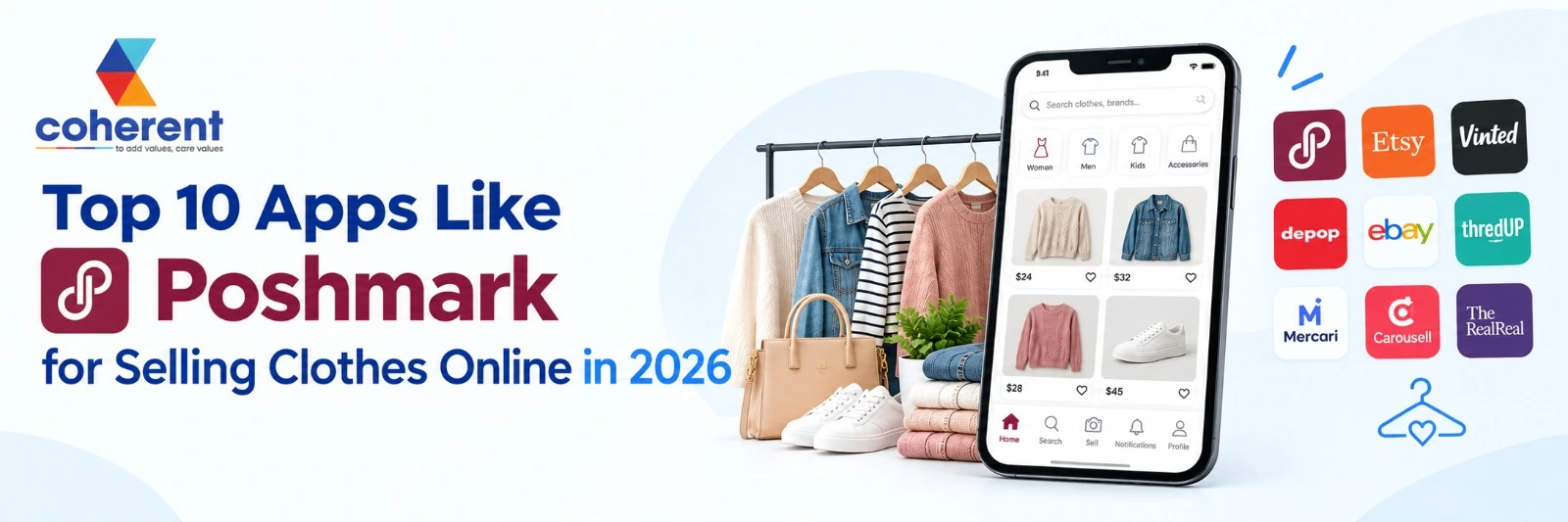
If you have clothes sitting in your closet that you no longer wear, selling them online can turn unused fashion into extra income. Poshmark is one of the most recognizable resale marketplaces, but it is not the only option available to sellers. Depending on what you sell, where your buyers are located, your preferred selling experience, and how much you want to spend on seller fees, another platform may better match your needs.
In 2026, sellers can choose from fashion-focused marketplaces, broad ecommerce platforms, luxury resale services, managed consignment platforms, live-commerce apps, and local selling marketplaces. Popular options include Depop, Vinted, Mercari, eBay, Grailed, Vestiaire Collective, ThredUp, Facebook Marketplace, Whatnot, and Etsy. Each platform offers a different combination of audience, product categories, selling tools, fees, shipping options, and seller responsibilities. Understanding these differences can help you choose a marketplace that aligns with your clothing inventory and selling goals.
Why Look for Apps Like Poshmark in 2026?
Poshmark makes it relatively simple to photograph, list, price, and sell clothing online. Sellers can create listings without an upfront listing fee, while selling fees are deducted when an item sells. Compared with some resale marketplaces, sellers may find the fee structure less attractive for higher-priced items, making lower-fee alternatives worth considering when comparing overall selling costs. Businesses planning a similar resale marketplace can explore mobile app development services to build a user-friendly and scalable selling platform.
- A larger or different buyer audience
- Better exposure for vintage or streetwear
- Luxury fashion authentication
- Local pickup options
Top 10 Apps Like Poshmark for Selling Clothes
Selling clothes online has become easier with dedicated fashion resale apps and broader online marketplaces. Poshmark alternatives such as Depop, Vinted, Mercari, eBay, Grailed, and Vestiaire Collective offer different audiences and selling models. Whether you sell vintage fashion, streetwear, designer clothing, or everyday apparel, these platforms provide multiple ways to reach potential buyers and grow your online sales.
| App | Best For | Clothing Focus | Selling Approach |
|---|---|---|---|
| Depop | Vintage, Y2K & streetwear | Fashion-forward clothing | Peer-to-peer |
| Vinted | Everyday secondhand fashion | Clothing & accessories | Peer-to-peer |
| Mercari | General resale | Clothing + other goods | Peer-to-peer |
| eBay | Broad buyer reach | Fashion + collectibles | Auction & fixed price |
| Grailed | Men's fashion & streetwear | Designer & contemporary | Peer-to-peer |
| Vestiaire Collective | Luxury fashion | Designer clothing & accessories | Authenticated resale |
| ThredUp | Hands-off selling | Secondhand fashion | Consignment |
| Facebook Marketplace | Local selling | Clothing + general goods | Local & shipped |
| Whatnot | Live fashion selling | Fashion, sneakers & collectibles | Live shopping |
| Etsy | Vintage & unique fashion | Vintage, handmade & custom | Marketplace |
1. Depop
Depop is a fashion-focused resale marketplace for vintage clothing, Y2K fashion, streetwear, and unique pieces. Its visual shopping experience makes photography, styling, and product presentation important. Sellers can build a recognizable fashion identity while connecting with buyers interested in trend-driven and secondhand apparel.
- Strong vintage and Y2K audience
- Fashion-focused marketplace
- Suitable for streetwear
- Visual product listings
2. Vinted
Vinted is a popular Poshmark alternative for selling secondhand clothes online. Its peer-to-peer marketplace is designed around pre-owned fashion and accessories. Sellers can use it for wardrobe clearouts and everyday clothing without creating a highly curated fashion storefront or managing a complex ecommerce operation.
- Simple peer-to-peer selling
- Suitable for everyday clothing
- Useful for wardrobe clearouts
- Supports multiple fashion categories
3. Mercari
Mercari is a general resale marketplace where sellers can list clothing alongside electronics, home goods, collectibles, and other products. Its broad marketplace makes it useful for casual resellers with mixed inventory. Businesses planning a broader resale marketplace can explore mobile app development services.
- Supports multiple categories
- Useful for mixed inventory
- Suitable for casual resellers
- Clothing and accessories supported
4. eBay
eBay is a major online marketplace for sellers who want to reach a broad audience with clothing and fashion products. It supports different listing formats and product categories, making it useful for both casual sellers and experienced resellers with diverse fashion inventory.
- Broad marketplace audience
- Fixed-price and auction listings
- Useful for branded fashion
- Supports vintage clothing
5. Grailed
Grailed focuses on men's fashion, designer clothing, streetwear, sneakers, and contemporary apparel. Its specialized audience can be useful for sellers offering premium or niche menswear. Sellers can showcase fashion pieces to shoppers specifically interested in contemporary, designer, and streetwear products.
- Streetwear-oriented audience
- Suitable for designer clothing
- Contemporary fashion marketplace
- Useful for niche inventory
6. Vestiaire Collective
Vestiaire Collective is focused on pre-owned luxury and designer fashion, making it relevant for higher-value apparel and accessories. Its marketplace emphasizes trust and authentication for eligible products, giving sellers a specialized environment for premium fashion and luxury resale.
- Designer fashion audience
- International marketplace
- Authentication for eligible products
- Suitable for premium inventory
7. ThredUp
ThredUp uses a managed resale and online consignment approach rather than requiring sellers to manage every listing themselves. This can make it suitable for people who want a more convenient way to clear their wardrobes without spending significant time photographing, listing, and managing individual clothing items.
- More hands-off selling experience
- Secondhand fashion focus
- Useful for closet cleanouts
- Less individual listing work
8. Facebook Marketplace
Facebook Marketplace can help sellers connect with local buyers interested in clothing, shoes, accessories, and bundles. Because it covers many consumer categories beyond fashion, it can also be useful for people clearing out multiple household items while offering convenient local pickup options.
- Large local audience
- Useful for local pickup
- Suitable for clothing bundles
- Supports multiple product categories
9. Whatnot
Whatnot uses a live-shopping model that allows sellers to showcase products and interact with buyers in real time. This approach can make fashion selling more engaging than traditional product listings. Sellers can present collections, answer questions, and create interactive shopping experiences through live events.
- Live shopping format
- Real-time buyer interaction
- Useful for fashion drops
- Community-driven selling
10. Etsy
Etsy is not a direct replacement for Poshmark for ordinary secondhand clothing, but it can suit sellers offering vintage fashion, handmade clothing, customized apparel, and unique accessories. Its marketplace is designed around distinctive products and can help sellers build a recognizable shop identity.
- Strong audience for unique products
- Suitable for vintage fashion
- Handmade clothing support
- Customized apparel opportunities
Poshmark vs Apps Like Poshmark
Comparing Poshmark with similar clothing resale apps helps sellers understand differences in audiences, selling models, fees, product categories, and seller responsibilities. Poshmark focuses heavily on social fashion resale, while platforms such as Depop, Vinted, eBay, Grailed, and Vestiaire Collective target different buyer groups. Choosing between them depends on your clothing type, pricing strategy, selling goals, and preferred marketplace experience.
| If You Sell... | Platforms to Consider |
|---|---|
| Everyday used clothing | Vinted, Mercari, Poshmark |
| Vintage clothing | Depop, Etsy, Vinted |
| Y2K fashion | Depop |
| Men's streetwear | Grailed, Depop |
| Luxury fashion | Vestiaire Collective, eBay |
| Designer sneakers | eBay, Grailed |
| Large closet clearout | ThredUp, Vinted |
| Local clothing bundles | Facebook Marketplace |
| Live fashion drops | Whatnot |
| Handmade clothing | Etsy |
| Mixed products | eBay, Mercari, Facebook Marketplace |
How to Choose the Right Poshmark Alternative
Choosing a resale app is not only about finding the lowest seller fee. A platform with lower costs may still be less useful if your target buyers rarely shop there. Consider your clothing category, buyer audience, shipping options, selling workload, marketplace fees, and product visibility before selecting an alternative. The right platform should match your inventory, selling goals, preferred customer experience, and level of involvement.
1. Consider Your Clothing Category
Different resale platforms attract different types of fashion buyers. Before choosing an alternative, identify the products you sell most often and select a marketplace where those products already have an interested audience. Category fit can influence product visibility, buyer engagement, pricing, and the overall selling experience.
- Vintage: Depop or Etsy
- Luxury: Vestiaire Collective or eBay
- Streetwear: Grailed or Depop
- Everyday clothing: Vinted or Mercari
2. Compare Seller Fees
Seller fees directly affect your final profit from each clothing sale. Instead of comparing only the headline commission, review transaction charges, payment processing, shipping costs, listing fees, and other applicable expenses. Marketplace policies can change, so sellers should always check the current fee structure before listing products and calculating expected earnings.
- Compare seller commissions
- Check transaction and payment fees
- Review listing charges
- Consider shipping expenses
3. Look at the Buyer Audience
A platform's buyer audience can be just as important as its selling fees. A seller offering vintage Y2K fashion may need a different audience from someone selling everyday family clothing or luxury handbags. Understanding who shops on each platform can help you select a marketplace that aligns with your products.
- Identify your target buyers
- Research popular product categories
- Check audience interests
- Compare marketplace reach
4. Think About Shipping
Shipping can affect your profit, customer experience, and purchase decisions. Before choosing a resale platform, understand how shipping labels, carriers, package weights, delivery costs, and international orders are handled. A convenient shipping system can reduce seller workload while making the buying process easier for customers.
- Check who pays shipping
- Review prepaid label options
- Compare carrier choices
- Check package weight restrictions
5. Decide How Much Work You Want to Do
Every resale marketplace requires a different level of seller involvement. Some sellers enjoy photographing products, creating descriptions, negotiating prices, packaging orders, and communicating with buyers. Others prefer a managed resale service with less day-to-day work. Consider how much time you can dedicate to listings, customer service, shipping, and order management.
- Choose between active and managed selling
- Consider listing workload
- Review buyer communication requirements
- Check packaging responsibilities
Tips for Selling Clothes Online Successfully in 2026
Choosing the right marketplace is only the beginning. High-quality listings can help potential buyers understand your products and make purchasing decisions with greater confidence. Clear photographs, accurate measurements, detailed descriptions, competitive pricing, and relevant keywords can improve the quality of your listings. Sellers should also maintain accurate inventory and respond promptly to buyer questions across their chosen platforms.
Create Better Clothing Listings
A strong clothing listing should provide enough information for buyers to understand the product without unnecessary guesswork. Use multiple clear photographs and include important details such as brand, size, condition, measurements, color, material, and visible wear. Honest descriptions can also help set accurate buyer expectations and reduce misunderstandings after purchase.
- Photograph front, back, labels, tags, and details
- Mention brand, size, color, and material
- Provide measurements when appropriate
- Clearly disclose stains, wear, or defects
Use Cross-Listing Strategically
If marketplace rules allow it, cross-listing can help sellers expose the same clothing inventory to different buyer audiences. For example, a vintage jacket may be suitable for Depop, eBay, and another fashion marketplace. However, sellers need to maintain accurate inventory and promptly remove sold products to prevent accidental double-selling.
- List suitable products across multiple platforms
- Adapt descriptions for each marketplace
- Maintain accurate inventory
- Remove sold listings quickly
Write Search-Friendly Titles
Product titles should clearly describe what buyers are searching for rather than using vague phrases. Include relevant information such as brand, product type, style, size, gender, color, and notable fashion characteristics when appropriate. A descriptive title can make it easier for buyers to understand the product and discover your listing through marketplace search.
- Include the brand name
- Mention the clothing type
- Add size when relevant
- Include color and style
Final Thoughts
The growth of online resale has given clothing sellers far more choices than simply using one marketplace. Apps like Poshmark—including Depop, Vinted, Mercari, eBay, Grailed, Vestiaire Collective, ThredUp, Facebook Marketplace, Whatnot, and Etsy—offer different ways to sell secondhand, vintage, designer, streetwear, and everyday clothing online.
The goal isn't simply to find a platform where you can list clothes. It's to find a marketplace where your specific products meet the right buyers at a price that makes sense for your business. If you are planning to build a custom fashion resale marketplace or selling app, get in touch with our experts to discuss your requirements.
Frequently Asked Questions
Q1. What are the best apps like Poshmark for selling clothes?
Ans. Popular Poshmark alternatives include Depop, Vinted, Mercari, eBay, Grailed, Vestiaire Collective, ThredUp, Facebook Marketplace, Whatnot, and Etsy. Each platform offers a different audience, selling model, product focus, and fee structure. The right marketplace depends on whether you sell everyday clothing, vintage fashion, streetwear, designer items, or secondhand apparel and how you prefer to manage sales.
Q2. What is the best app for selling used clothes online?
Ans. Apps such as Vinted, Poshmark, Mercari, Depop, and eBay can be used to sell secondhand clothing online. Each platform has different audiences, listing processes, fees, shipping options, and product categories. Sellers should consider the type of clothing they have, expected selling price, target buyers, shipping preferences, and how much control they want over the selling process.
Q3. Which app is good for selling vintage clothes?
Ans. Depop and Etsy can be useful options for selling vintage clothing, especially when items have distinctive styles or appeal to niche fashion audiences. eBay can also provide access to a broad customer base interested in vintage apparel. The best platform depends on the item's age, condition, brand, style, pricing, photographs, and the type of buyers you want to reach.
Q4. What app is best for selling designer clothes?
Ans. Sellers of designer clothing can consider platforms such as Vestiaire Collective, eBay, Grailed, and Poshmark. Some fashion marketplaces focus more heavily on premium and luxury products and may offer authentication services for eligible items. Before choosing a platform, compare its seller fees, authentication process, shipping requirements, audience, listing rules, and supported designer categories to find a suitable selling environment.
Q5. Can I sell clothes on eBay?
Ans. Yes. eBay supports many clothing categories, including everyday apparel, shoes, accessories, designer fashion, vintage clothing, and collectibles. Sellers can create listings with product photos, descriptions, measurements, prices, and shipping information. Depending on the listing and marketplace rules, sellers may use fixed-price listings or auction-style formats. eBay can provide access to buyers searching for both new and used fashion.
Q6. Is Depop good for selling clothes?
Ans. Depop can be a useful marketplace for fashion sellers, particularly those offering vintage clothing, Y2K fashion, streetwear, independent styles, and trend-driven apparel. Sellers can create visually appealing listings with photos and fashion-focused descriptions. Success can depend on product selection, pricing, listing quality, audience engagement, shipping, and how effectively sellers present their clothing to potential buyers.
Q7. Can I sell clothes locally without using Poshmark?
Ans. Yes. Sellers can use Facebook Marketplace and other local buying-and-selling platforms to sell clothing without using Poshmark. Local selling can work well for clothing bundles, seasonal items, children's clothing, accessories, and products where buyers prefer pickup. Sellers should clearly describe item condition, size, price, and pickup arrangements while using safe communication and meeting practices.
Q8. How can I sell clothes online faster?
Ans. To potentially sell clothes faster, use clear and well-lit product photos, accurate measurements, detailed descriptions, relevant fashion keywords, competitive pricing, and responsive communication. Highlight the brand, size, condition, material, and notable details. Listing suitable products across multiple marketplaces, where platform rules permit, can also increase visibility and help sellers reach different groups of potential buyers.

 +91 774-202-1725
 +1 (945) 3387904
 business@coherentlab.com
 +49 15223341304
 UK
UK